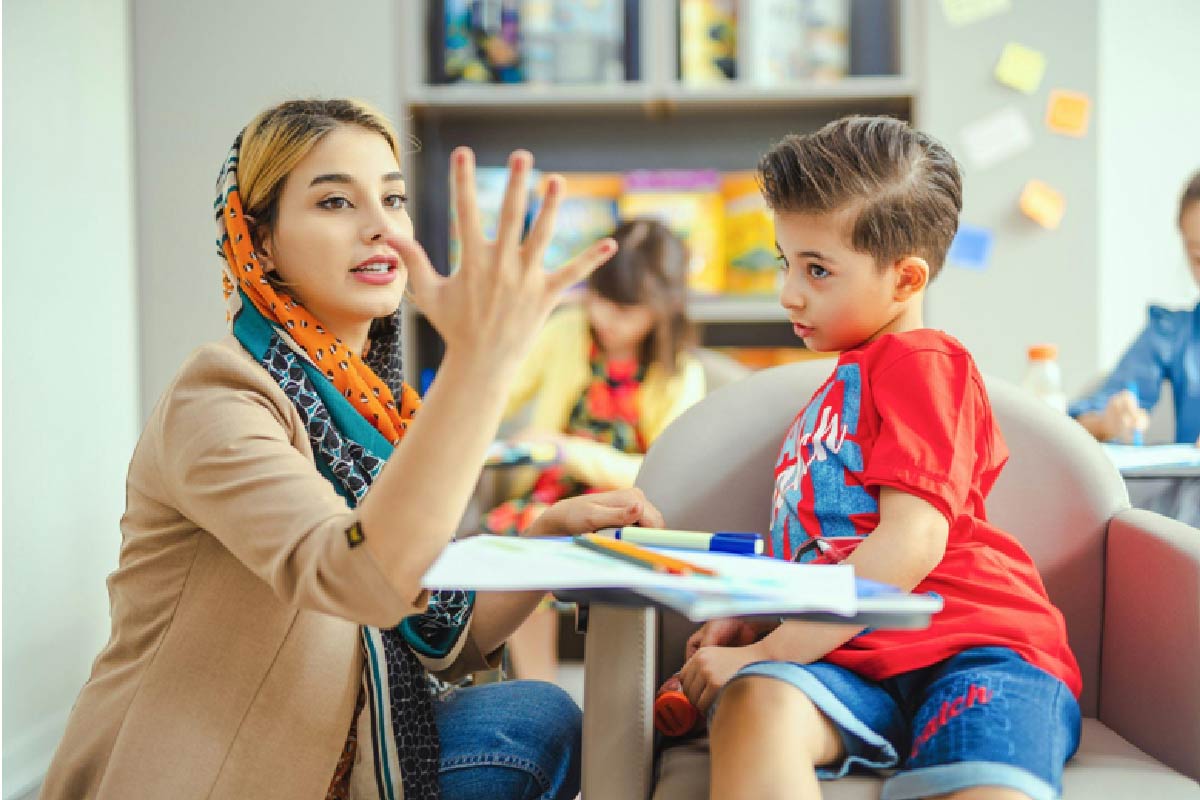
Education has traditionally focused on developing knowledge through textbooks, classroom discussions, and examinations. While these methods remain important, schools and educational institutions are increasingly recognizing the value of connecting academic subjects with practical experiences.
Students often understand concepts more clearly when they can see how information applies to everyday situations. Whether learning mathematics through budgeting exercises, exploring science through experiments, or developing communication skills through group projects, practical activities create opportunities to turn theoretical knowledge into useful abilities.
This approach also reflects changing expectations beyond the classroom. Employers value problem-solving, adaptability, and independent thinking, while everyday life requires people to make informed decisions across numerous situations.
Practical learning helps bridge the gap between knowing something and understanding how to use it. By introducing meaningful activities into education, teachers can encourage curiosity, strengthen confidence, and prepare students for responsibilities that extend well beyond their school years.
Health Education Becomes More Effective Through Everyday Examples
Health education provides an excellent example of why practical learning matters. Students may memorize information about hygiene, nutrition, and personal care, but applying that knowledge helps them understand its relevance.
Lessons can explore everyday situations such as choosing suitable footwear, maintaining cleanliness, and recognizing common skin concerns. These examples introduce students to practical decisions they will encounter throughout their lives.
For instance, examining tips to remove hard skin on feet can support a discussion about how friction, pressure, and personal care habits influence foot comfort. Students can learn why appropriate footwear and gentle skin maintenance matter, while also understanding when professional medical advice is necessary.
Such activities encourage learners to evaluate information rather than simply repeat instructions.
Health education becomes more meaningful when students recognize how classroom knowledge connects with their personal well-being and everyday responsibilities.
Science Experiments Encourage Curiosity and Critical Thinking
Science is particularly suited to practical learning because many principles can be explored through direct observation and experimentation.
Instead of only reading about plant growth, students can grow seedlings under different conditions and record changes. Simple experiments involving water, temperature, and everyday materials provide opportunities to investigate scientific relationships.
These activities encourage students to make predictions, collect evidence, and compare results with their original expectations.
Unexpected outcomes are especially valuable. When an experiment does not produce the anticipated result, learners must reconsider their assumptions and identify possible explanations.
Practical science also introduces the importance of accuracy and responsible procedures. Following instructions, recording observations, and discussing limitations help students develop habits associated with scientific reasoning.
These experiences make abstract concepts easier to understand while demonstrating that learning often involves exploration rather than finding immediate answers.
Financial Literacy Teaches Skills Students Will Actually Use
Financial education becomes more useful when students practice decisions similar to those they will face as adults. Understanding percentages and basic arithmetic is important, but applying these concepts to realistic situations makes their value clearer.
Teachers can introduce budgeting exercises in which students plan monthly expenses using a fictional income. Comparing housing costs, transportation, groceries, and savings encourages careful decision-making.
Shopping activities provide another opportunity to practice mathematics. Students can calculate discounts, compare unit prices, and evaluate whether a purchase represents good value.
Older learners may explore banking, interest rates, and the consequences of borrowing money.
These exercises help students understand that financial decisions involve priorities and trade-offs rather than calculations alone.
By connecting mathematical knowledge with everyday responsibilities, practical financial education prepares learners to make more informed choices beyond school.
Group Projects Develop Communication and Cooperation
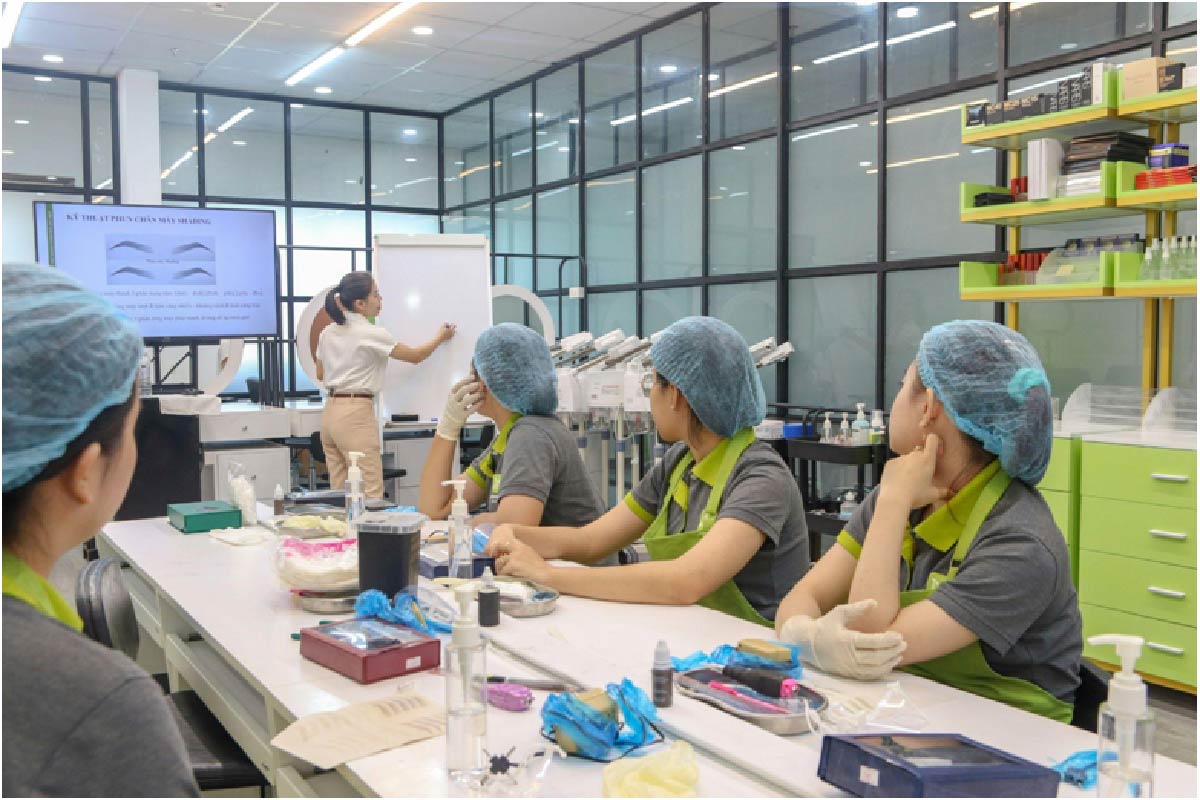
Modern workplaces frequently require people to collaborate with colleagues who possess different skills, experiences, and perspectives. Schools can help prepare students for these situations through thoughtfully organized group activities.
Collaborative projects encourage learners to share ideas, divide responsibilities, and work toward common objectives.
For example, students might organize a small school exhibition, prepare a presentation, or design a solution to a local environmental problem.
These activities introduce challenges that individual assignments may not provide. Students must manage disagreements, coordinate schedules, and communicate clearly when difficulties arise.
Teachers can support the process by establishing expectations and ensuring that responsibilities are distributed fairly.
Group projects are most valuable when learners reflect on both the finished result and the cooperation required to achieve it.
The experience helps develop interpersonal abilities that remain useful throughout education, employment, and everyday life.
Technology Skills Need More Than Theoretical Instruction
Digital technology plays an important role in education, professional communication, and household activities. However, familiarity with devices does not automatically mean students understand how to use digital tools effectively.
Practical assignments can introduce essential skills such as creating documents, organizing information, evaluating online sources, and presenting research findings.
Students can also learn about privacy, online security, and responsible communication through realistic scenarios.
For instance, comparing information from different websites encourages learners to consider credibility rather than accepting the first available answer.
Coding activities and digital design projects provide additional opportunities for problem-solving and creativity.
Technology education works best when students understand not only which tools are available but also when and why they should use them.
This approach encourages thoughtful digital participation rather than dependence on technology for every task.
Community-Based Learning Connects Schools With Real Life
Educational experiences can become especially meaningful when students engage with their surrounding communities. Visits to local businesses, environmental projects, and interviews with professionals reveal how classroom subjects appear in everyday work.
A geography class might investigate local water resources, while students studying language and communication could interview residents about neighborhood history.
Community projects also help learners recognize the social value of their knowledge.
Participating in appropriate volunteer activities can introduce responsibility, cooperation, and awareness of different community needs.
These experiences encourage students to understand education as something connected with the world around them rather than restricted to textbooks.
They may also introduce career possibilities that students had not previously considered.
Preparing Students for a Future That Demands Adaptability
The modern world changes quickly, and students entering education today may eventually work in professions that continue evolving throughout their careers.
Memorized information remains useful, but adaptability and the ability to learn independently are increasingly important.
Practical education helps develop these qualities by encouraging students to explore unfamiliar situations, test different approaches, and respond constructively when initial attempts fail.
Teachers can support this development through projects that allow multiple possible solutions rather than requiring one predetermined outcome.
Students gain confidence when they discover that challenges can be addressed through preparation, cooperation, and creative thinking.
Ultimately, practical learning does not replace traditional academic instruction. It strengthens education by showing students why knowledge matters and how it can be applied.
By combining theoretical understanding with meaningful experiences, schools can prepare learners for employment, personal responsibilities, and active participation in their communities. Education becomes more valuable when students leave the classroom knowing not only what they have learned, but also how to use it.
