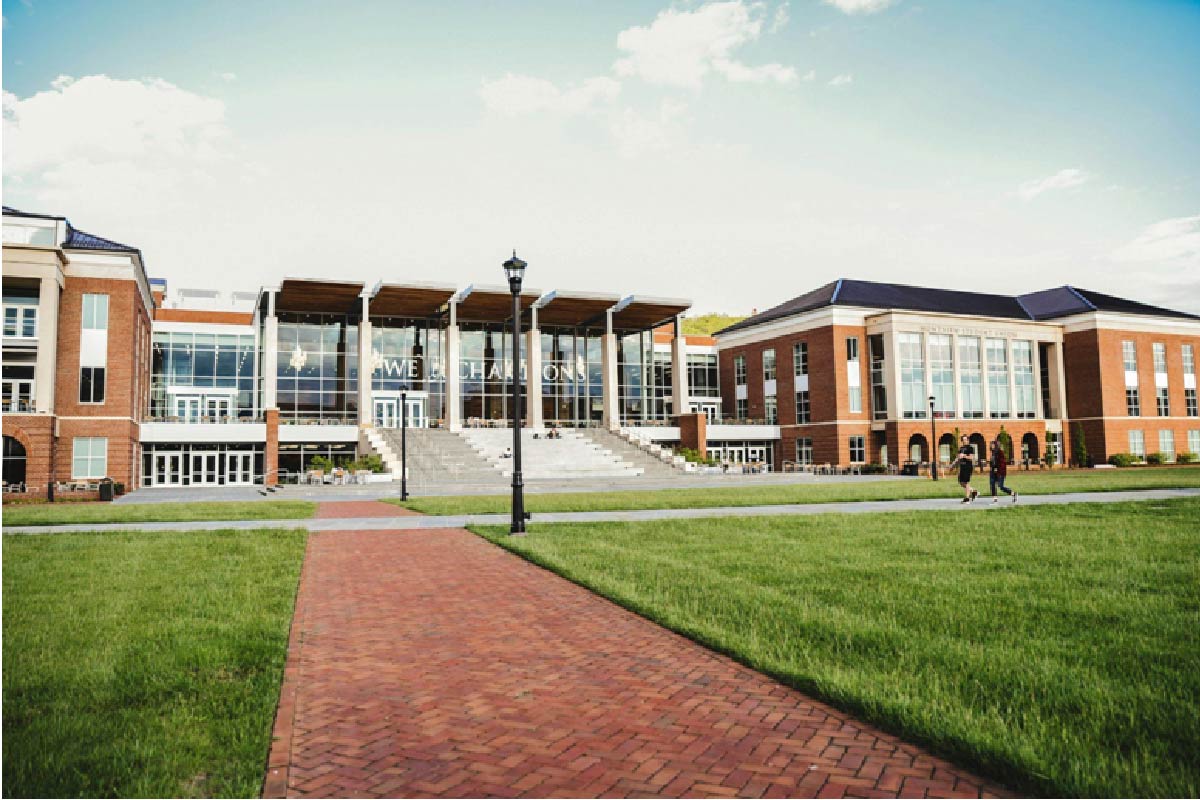
Old school buildings often occupy some of the most recognisable sites in a neighbourhood. They may have large windows, wide corridors, high ceilings and architectural details that would be expensive to recreate today.
When those buildings stop serving their original purpose, demolition can seem like the simplest solution. Yet removing them can also mean losing part of the area’s history and wasting structures that may still have decades of useful life ahead.
Adaptive reuse offers another option. Former schools can become housing, community centres, offices, cultural venues or mixed-use spaces while retaining much of their original character.
The best projects do more than save an old façade. They give a familiar building a practical new role and allow it to continue contributing to the neighbourhood rather than becoming an empty reminder of what used to be there.
Former Schools Can Become Remarkable Homes
School buildings often have qualities that translate surprisingly well into residential use.
Large classrooms can become spacious living areas, while oversized windows provide natural light that many newer apartments struggle to match. High ceilings and original brickwork can also create interiors with a distinctive character.
Seattle offers examples of this type of conversion. Buyers interested in adaptive reuse may come across queen anne high school condos for sale, showing how a building created for education can later become part of the residential fabric of the same neighbourhood.
That transformation works because the building keeps a visible connection to its past while gaining a completely different purpose.
Reuse Preserves Local Identity
Older schools are often more than functional buildings.
Generations of residents may have studied there, attended events in the gym or walked past the building every day.
Removing such a landmark can change how a neighbourhood feels.
Adaptive reuse allows the exterior shape, materials and familiar architectural features to remain part of the local streetscape.
This is especially valuable in areas experiencing rapid development.
New construction may be necessary, but retaining selected historic buildings can stop neighbourhoods from losing all visual connection with their earlier identity.
Existing Buildings Already Contain Valuable Materials
Demolition creates an enormous amount of waste.
Brick, timber, steel, concrete and other materials may still be structurally useful even when the original function of the building is no longer needed.
Reusing the structure can reduce the amount of material that must be removed and replaced.
That does not mean every old school can or should be saved. Some buildings may have serious structural issues or require upgrades that make reuse impractical.
But demolition should not automatically be the first option.
A careful assessment can reveal whether the strongest parts of the original building can support a new use.
Their Layouts Can Support More Than Housing
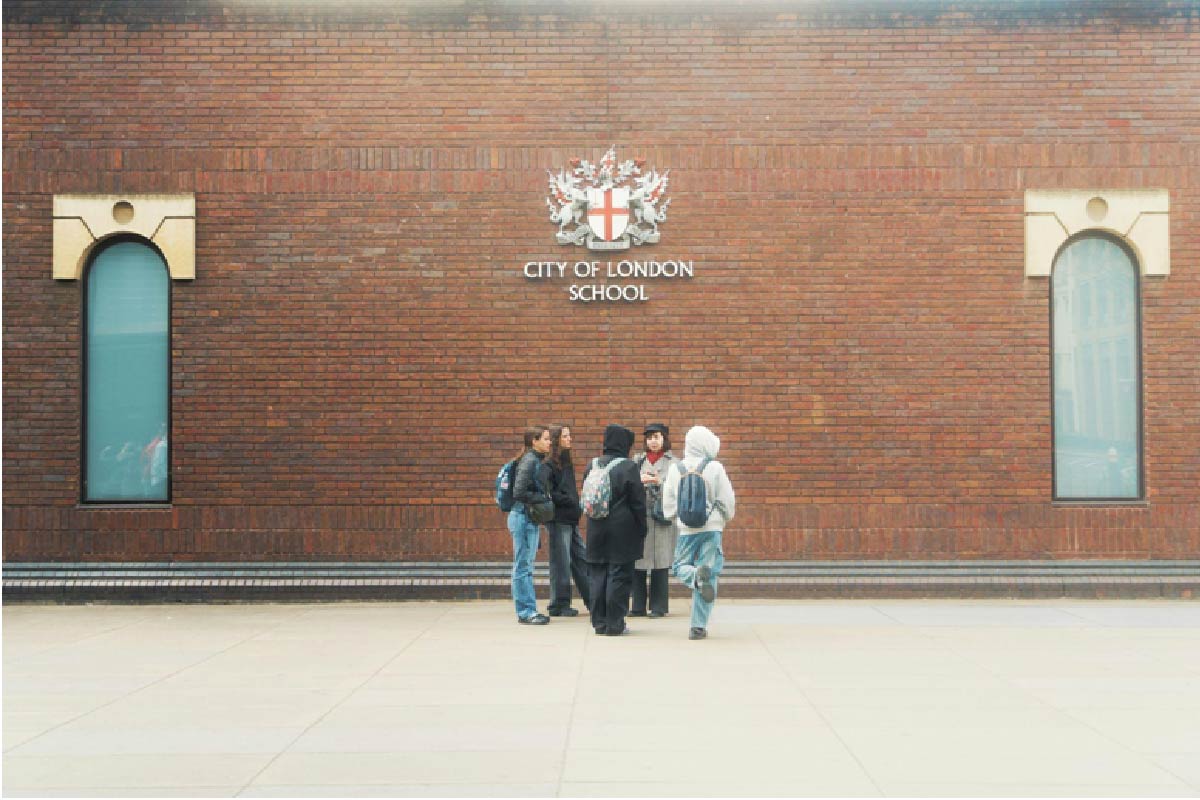
Residential conversion is only one possibility.
Former schools can also work well as community facilities, studios, offices, libraries or creative spaces.
Classrooms already divide a large building into separate rooms, while gyms, halls and cafeterias provide larger shared areas.
That mixture of small and large spaces can make adaptation easier.
A building could host local organisations, small businesses and public activities under the same roof.
The original school layout may need significant changes, but its basic flexibility can still provide a useful starting point.
Renovation Can Bring Activity Back to the Area
Empty buildings affect more than their immediate site.
A large unused school can make an otherwise active neighbourhood feel neglected, particularly if it remains vacant for years.
Bringing the property back into use adds people and activity.
Residents may support nearby shops and cafés. Community facilities can attract visitors throughout the day. New businesses can create employment and services.
This helps explain why adaptive reuse can have an impact beyond architecture.
The building becomes active again, and the surrounding streets often benefit from that renewed use.
Historic Character Should Not Prevent Modernisation
Preserving an old building does not mean freezing it in time.
Former schools usually need substantial changes before they can meet modern expectations.
Electrical systems, plumbing, heating, accessibility and insulation may all require upgrades. Residential projects also need kitchens, bathrooms and privacy that classrooms were never designed to provide.
The challenge is deciding what should change and what deserves to remain.
Original windows, staircases, brickwork or other distinctive features may be worth retaining, while outdated mechanical systems clearly are not.
Successful reuse balances character with practicality.
A Second Life Can Be Better Than Starting Again
Cities constantly change, and buildings need to change with them.
An old school that no longer has enough students or no longer suits modern education does not automatically become useless.
Its next role may be completely different from its first.
That adaptability is one of the strongest arguments for reuse.
Preserving old schools can reduce waste, protect neighbourhood character and create unusual spaces that would be difficult to build from scratch today.
More importantly, it allows familiar buildings to remain part of community life.
Instead of disappearing, they continue to evolve with the places around them.
Giving an old school a second life is therefore not simply about nostalgia. It is about recognising the value that already exists and finding a new way to use it.
