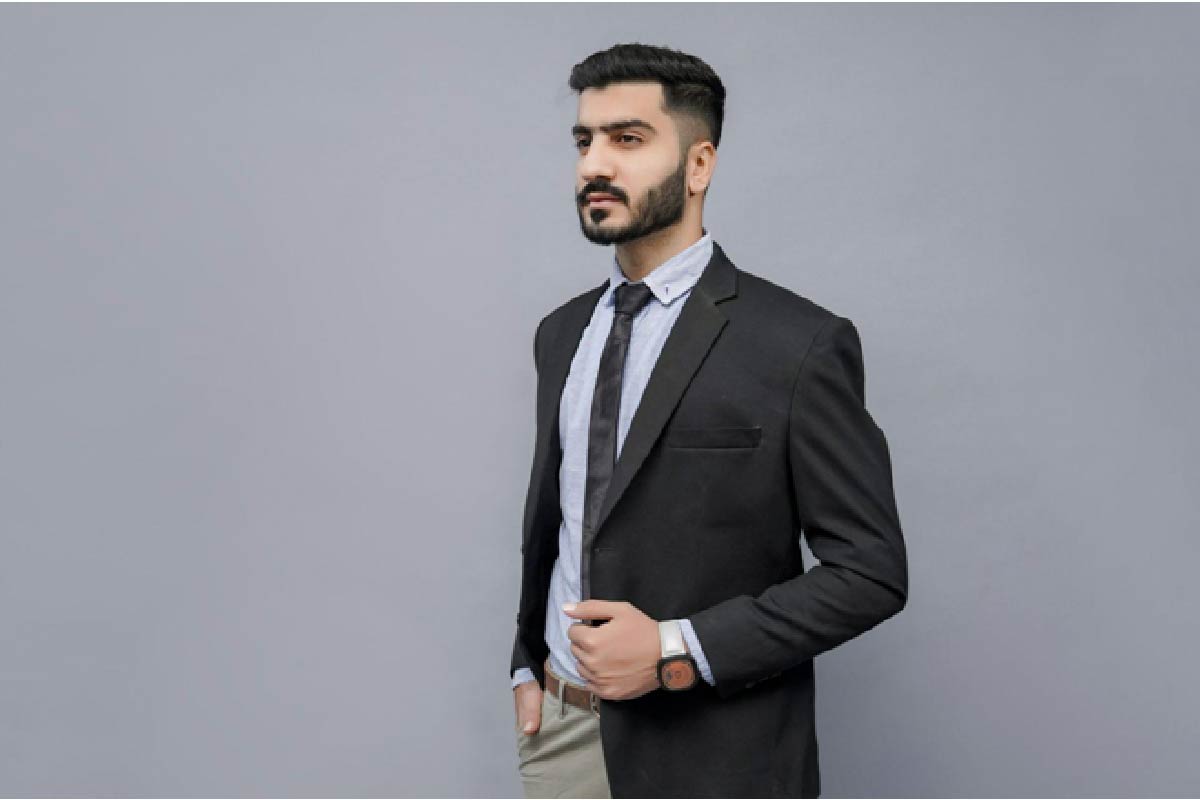
For many students, the first job interview, graduation dinner or formal event is also the first time clothing starts to feel like part of professional communication. What you wear will not replace preparation or experience, but it can influence the first impression you create.
The goal is not to look older, more expensive or completely different from yourself. It is to show that you understand the occasion and have made a deliberate effort.
That usually means focusing on fit, cleanliness, proportion and appropriateness rather than chasing a specific trend. A simple outfit that fits well almost always looks stronger than something more elaborate that feels uncomfortable or distracting.
Students who understand these basics early can build a small formal wardrobe that works across interviews, presentations, ceremonies and future professional events.
Learn the Difference Between Formal and Overdressed
One of the most useful skills is recognising what the event actually requires.
An interview at a law firm may call for a different level of formality than a conversation with a creative agency. A graduation ceremony is different again, especially when academic robes or photographs are involved.
Looking at formalwear references on sites such as https://designerchurchsuits.com/ can help students understand how structured jackets, coordinated pieces and polished presentation create a more formal overall impression, even if the exact style is not what they would wear to an interview.
The aim is to identify the principles behind the look: clean lines, intentional coordination and clothing that suits the occasion.
Fit Matters More Than the Price Tag
Expensive clothing does not automatically look professional.
A reasonably priced jacket that fits correctly through the shoulders will usually look better than a designer piece that is obviously too large or too tight. The same applies to trousers, skirts, dresses and shirts.
Pay particular attention to sleeve length, trouser length and how the garment sits when you are seated.
Interviews involve more than standing in front of a mirror. You may need to walk, sit, shake hands and carry a folder or bag.
Clothing should remain comfortable through all of those movements. If you spend the entire event adjusting a sleeve, waistband or collar, it will be harder to concentrate on the conversation.
Build Around Simple Neutral Pieces
Students do not need a large formal wardrobe.
A few flexible items can cover most early-career situations. Neutral trousers, a simple skirt, a blazer, a plain shirt or blouse and clean formal shoes can be combined in different ways without looking repetitive.
Colours such as navy, charcoal, black, cream and white are easy starting points because they work together and rarely dominate the outfit.
That does not mean personality has to disappear.
Colour can come through a shirt, scarf, tie, jewellery or another small detail. The advantage of a neutral base is that those details become easier to control.
A practical formal wardrobe should reduce decisions rather than create more of them.
Shoes Can Change the Entire Impression
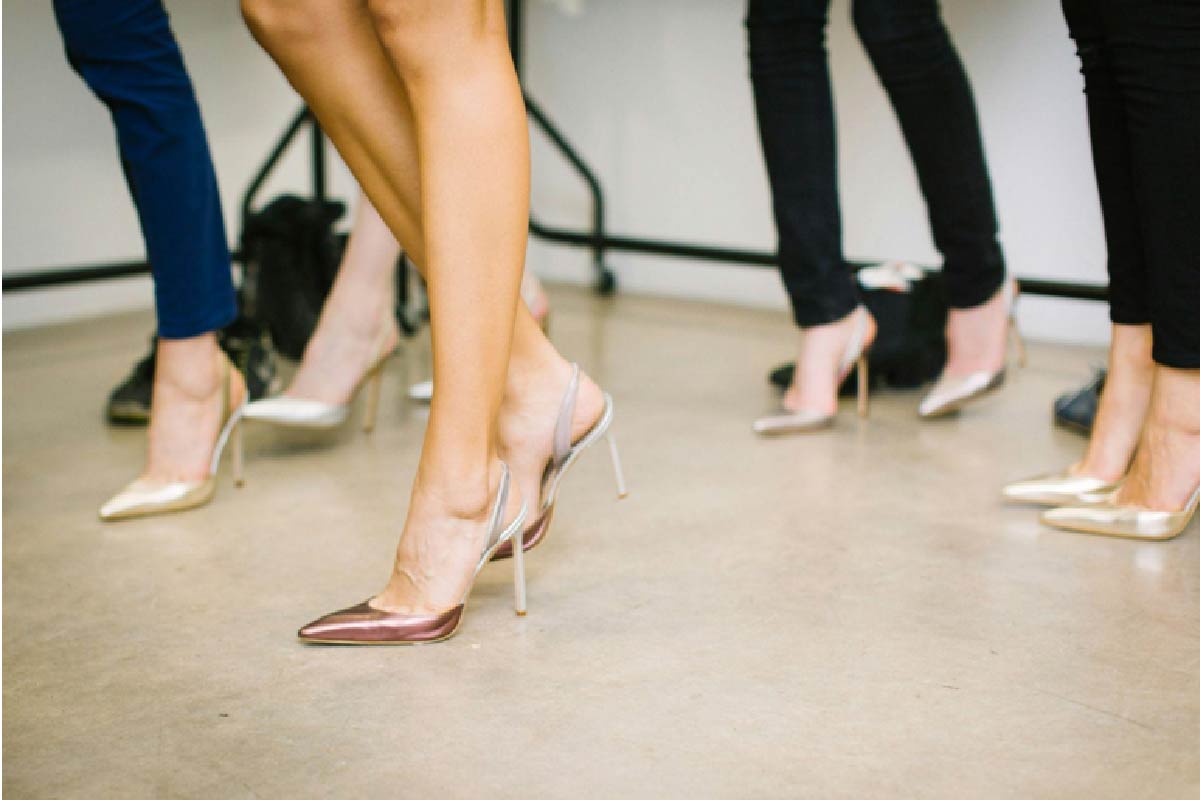
Students often focus so much on the main outfit that footwear becomes an afterthought.
Shoes do not need to be particularly expensive, but they should be clean, comfortable and appropriate for the level of formality.
A polished pair of loafers, simple dress shoes, flats or understated heels can support an otherwise basic outfit. Very worn sneakers or shoes that make walking difficult can undermine it.
Comfort matters more than people expect.
Formal events often involve standing, walking between buildings or waiting for long periods. A pair of shoes that only works for ten minutes in front of a mirror is not especially useful.
Choose something that looks appropriate and can realistically be worn for several hours.
Keep Accessories Controlled
Accessories should complete the outfit rather than become the first thing an interviewer notices.
Simple jewellery, a clean watch, understated belt or structured bag can make the overall presentation feel more considered.
The key is moderation.
An interview is usually not the best setting for trying several dramatic accessories at once. Formal social events may allow more personality, but the same principle still applies: choose details that support the clothing rather than compete with it.
Students should also think about practical items such as folders, laptop bags or backpacks.
A very casual bag can look disconnected from a formal outfit, while a simple neutral option can work across several settings.
Prepare the Outfit Before the Day
Leaving clothing decisions until the morning creates unnecessary stress.
Try everything on in advance, including shoes and outerwear. Check that garments are clean, pressed and comfortable, and make sure nothing needs a last-minute repair.
This is also the right time to test how the outfit looks when sitting down.
Formal clothing can fit perfectly when standing and become uncomfortable once seated.
Preparing early also allows time to make small adjustments rather than replacing the whole outfit.
The goal on the day itself should be to get dressed and focus on the interview or event, not start solving wardrobe problems thirty minutes before leaving.
Professional Dressing Is Really About Context
Students often worry that there is one perfect outfit they need to discover.
There usually is not.
Professional dressing is more about understanding context and showing that you can adapt to it. The same student may dress differently for an interview, graduation, formal dinner and internship presentation while still using many of the same core pieces.
Fit, cleanliness and thoughtful coordination matter more than labels.
Once those basics are understood, formal dressing becomes much less intimidating. Instead of trying to look impressive, students can focus on looking prepared, comfortable and appropriate.
That is usually enough to create the right first impression.
