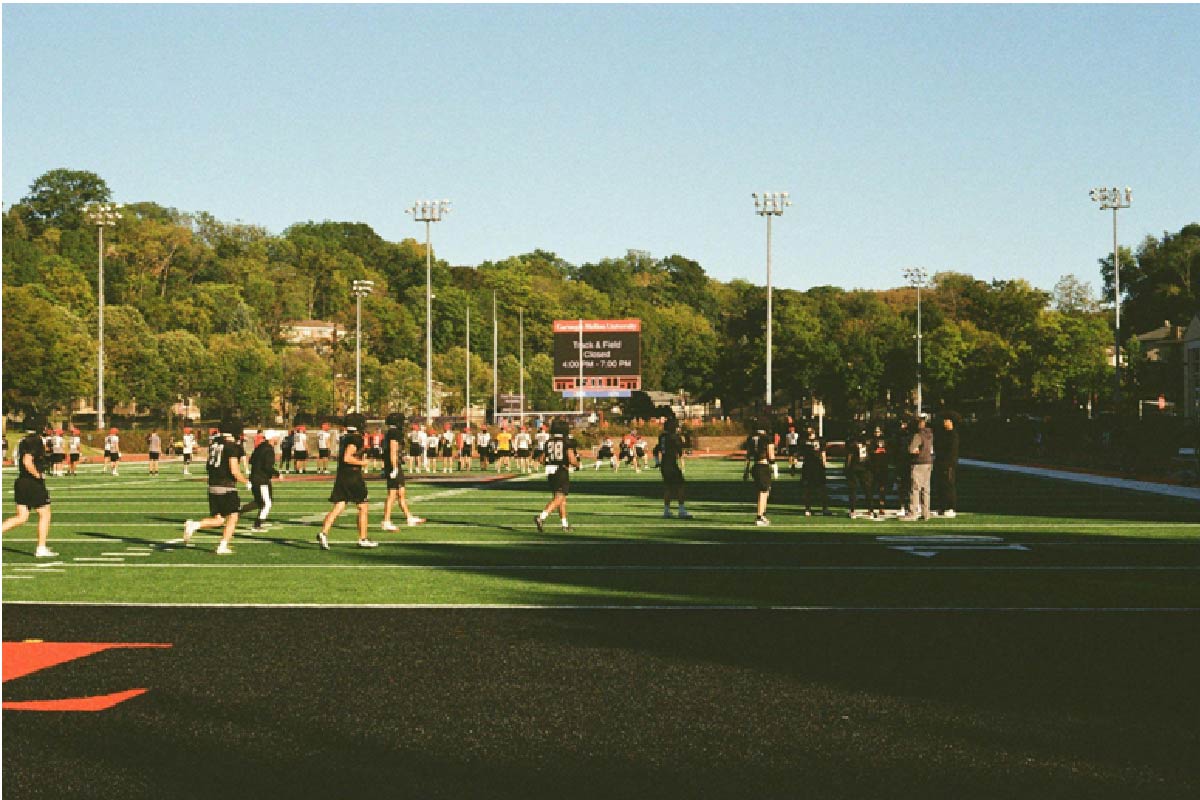
College life involves much more than attending lectures, completing assignments, and preparing for examinations. For many students, some of the most memorable experiences happen outside the classroom, particularly during campus sporting events that bring different parts of the university community together.
Whether students are attending a major football game, supporting a basketball tournament, or watching a smaller university competition, these gatherings create opportunities for social interaction and shared experiences. They also help establish traditions that contribute to a recognizable campus identity.
Sporting events can play an important role in encouraging student participation, strengthening relationships, and creating a greater sense of belonging. Their influence often extends beyond the athletes themselves, reaching student organizations, volunteers, alumni, and local communities.
Sporting Events Give Student Organizations a Shared Identity
Campus sporting events offer student organizations opportunities to participate in university life through activities that bring members together around common interests.
Student clubs, residence hall groups, and academic societies frequently organize attendance at games, recreational tournaments, or fundraising competitions. These activities encourage participation among members who might otherwise interact mainly during formal meetings.
A recognizable group identity can make these experiences more memorable. Matching clothing and accessories help members identify one another while creating a coordinated appearance at sporting events.
University golf clubs and student organizations participating in outdoor competitions can incorporate customized golf visors from Diehard Custom into their team apparel. Featuring university colors, club logos, or event-specific artwork, these accessories offer a practical way to represent an organization while providing shade during outdoor activities.
Personalized accessories can also support charity tournaments, alumni golf days, and student-organized sporting events where participants represent different teams or departments.
When sporting events give students a reason to collaborate, they can strengthen relationships that continue throughout their academic experience.
Shared Experiences Help New Students Feel Connected
Beginning college can be challenging, especially for students moving away from home or entering an unfamiliar social environment.
Campus sporting events provide accessible opportunities to meet others without requiring extensive preparation or existing friendships.
A freshman attending a basketball game may begin conversations with classmates, residence hall neighbors, or other supporters simply because they share enthusiasm for the same team.
These interactions can make a large university feel more approachable.
Orientation programs sometimes introduce students to sporting traditions, helping newcomers understand university customs and discover opportunities for involvement.
The atmosphere surrounding these events also provides common experiences that students can discuss afterward.
Even students who aren’t particularly interested in sports may enjoy the music, social activities, and community atmosphere.
Creating welcoming experiences for different interests and backgrounds helps ensure that sporting traditions contribute to broader campus inclusion rather than serving only established fan groups.
School Traditions Build a Stronger Sense of Belonging
University traditions help distinguish one campus from another.
Fight songs, student-section cheers, team colors, mascots, and annual rivalry games create recognizable elements of school culture.
Many traditions continue for decades, connecting current students with graduates who participated in similar celebrations years earlier.
This continuity can strengthen emotional connections to the institution.
A student who learns a university’s fight song during freshman year may associate it with memorable games, friendships, and important personal experiences.
Annual sporting events can also become milestones within the academic calendar, giving students something to anticipate during demanding semesters.
However, traditions remain meaningful when they evolve alongside the university community.
Welcoming participation, respecting different backgrounds, and maintaining positive sporting environments allow longstanding customs to remain relevant to new generations.
Athletic Events Encourage Participation Beyond the Playing Field
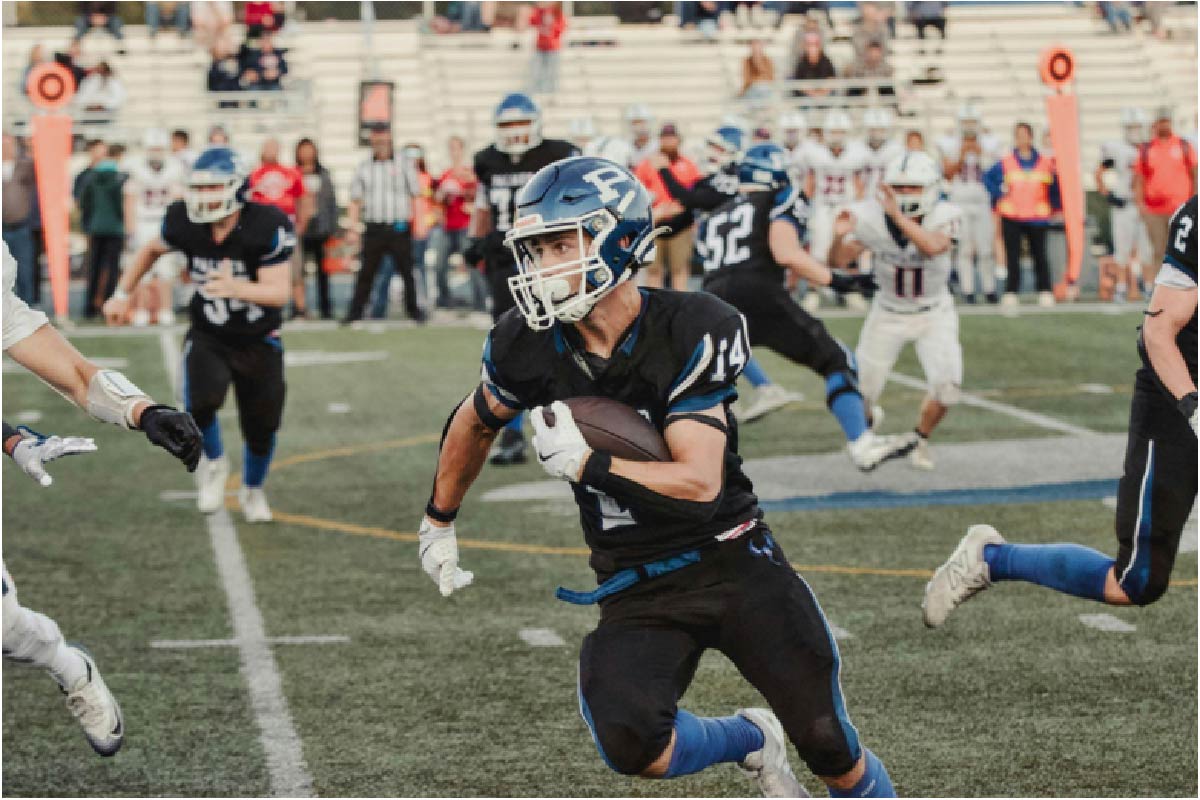
Campus sports depend on contributions from many individuals beyond the athletes competing.
Student volunteers may assist with event organization, ticket distribution, promotional campaigns, and hospitality activities.
Others participate through marching bands, cheerleading groups, student media, photography, or livestream production.
These roles provide opportunities to develop practical skills in teamwork, communication, planning, and event management.
For students interested in marketing or journalism, sporting events can also provide useful experience in creating promotional content or reporting on competitions.
Business students may participate in sponsorship activities, while aspiring designers can contribute graphics and event materials.
These experiences connect classroom knowledge with practical responsibilities.
Importantly, participation doesn’t always need to involve large university competitions. Intramural leagues and recreational events can offer similar opportunities on a smaller scale.
A diverse sporting calendar helps more students find activities that match their abilities and interests.
Sporting Events Can Strengthen Student Well-Being
University life often includes academic pressure, financial responsibilities, and concerns about future careers.
Social activities can provide valuable opportunities to temporarily disconnect from these demands and spend time with others.
Sporting events may contribute to student well-being by encouraging social interaction and creating enjoyable shared experiences.
Participating in recreational sports can also support regular physical activity, particularly when universities provide accessible facilities and suitable programs.
However, attending sporting events isn’t a substitute for professional mental health support when students experience significant difficulties.
The greatest benefit comes from providing additional opportunities for positive social engagement.
Universities can encourage participation by offering affordable tickets, accessible venues, and events that accommodate students with different schedules.
When attendance is convenient and welcoming, sporting activities become a more natural part of campus life.
Friendly Rivalries Create Memorable Campus Experiences
Rivalry games are among the most anticipated events on many college sporting calendars.
Competitions between neighboring universities or traditional opponents often attract larger audiences and generate excitement throughout the student community.
These occasions encourage students to participate in themed events, coordinate outfits, and organize group celebrations.
Friendly competition can strengthen loyalty while giving students memorable stories to share.
However, rivalry traditions are most successful when enthusiasm remains respectful.
Positive sportsmanship, appropriate crowd behavior, and consideration for visiting supporters help maintain an enjoyable atmosphere.
University organizers play an important role in promoting these expectations through clear communication and responsible event management.
When handled well, rivalries add excitement without undermining the sense of community that campus sports should encourage.
Alumni Connections Extend School Spirit Beyond Graduation
The influence of campus sporting events often continues long after students complete their studies.
Graduates may return for homecoming weekends, alumni tournaments, and important university competitions.
These occasions allow former students to reconnect with classmates and maintain relationships with their institutions.
For current students, alumni participation creates opportunities to interact with individuals who have already established professional careers.
Sporting gatherings can therefore support informal networking and mentoring alongside entertainment.
Alumni involvement may also contribute to fundraising initiatives, scholarships, and university development projects.
The emotional connection formed through campus traditions can encourage graduates to remain engaged with their former institutions.
This demonstrates how sporting events can help create relationships that extend well beyond the years students spend on campus.
Building a Campus Community Through Shared Experiences
Campus sporting events are most valuable when they create opportunities for meaningful participation.
They bring students together, strengthen organizational identities, preserve university traditions, and encourage connections between current students and alumni.
Their success shouldn’t be measured exclusively through attendance figures or athletic results. The quality of the experiences and the inclusiveness of the environment matter just as much.
Universities that support accessible competitions, welcoming student sections, and opportunities for involvement beyond athletics can make sporting events an important part of campus culture.
Ultimately, school spirit develops through shared experiences that give students a reason to feel connected to their institution.
Whether cheering from the stands, organizing a charity tournament, volunteering at an event, or participating in recreational sports, students contribute to traditions that can shape their college memories for years to come.
