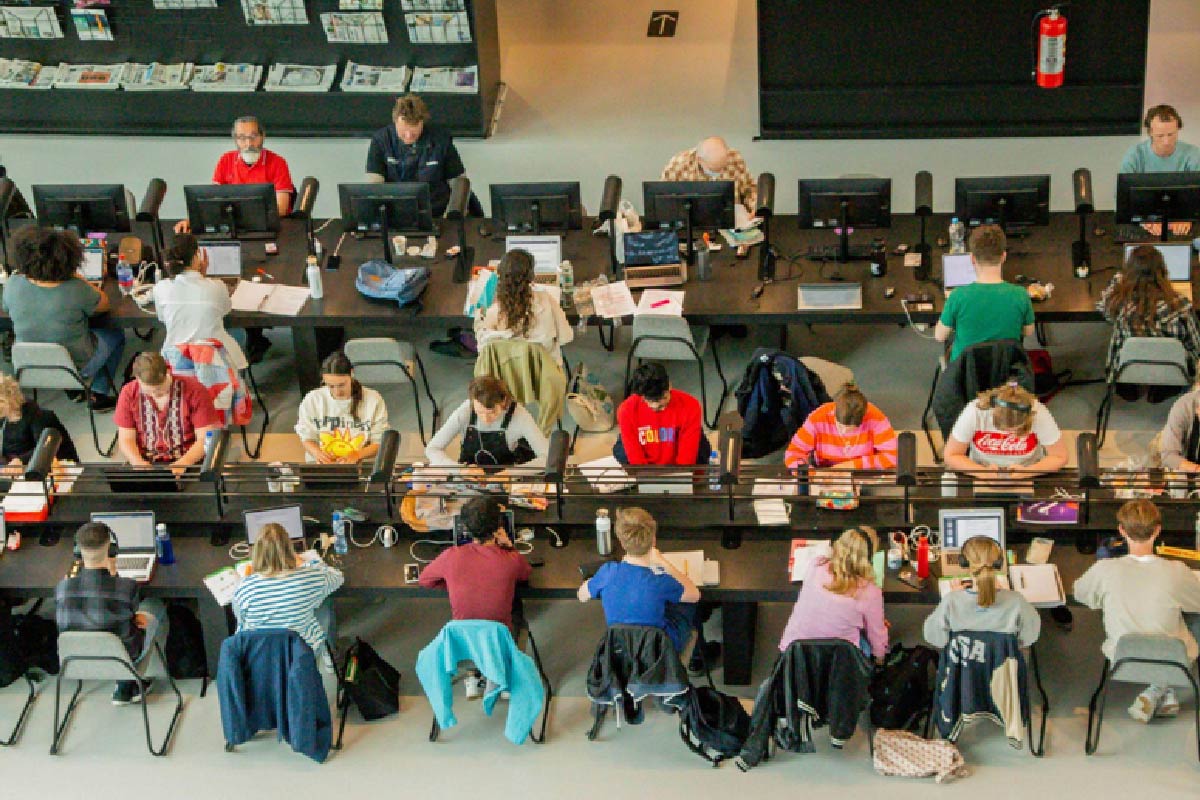
University life is often presented as an exciting period filled with independence, new friendships, and opportunities. For many students, however, it also brings demanding coursework, financial pressure, uncertainty about the future, and the challenge of managing everyday life without the support systems they previously relied on.
When several of these pressures build at once, burnout can affect motivation, concentration, sleep, attendance, and overall engagement with university life. Counseling services remain an essential part of student support, but institutions can also look beyond traditional mental health interventions. The wider campus environment, academic expectations, social opportunities, and access to restorative spaces all influence how manageable university life feels.
A more comprehensive approach starts by considering what students experience throughout an ordinary week, not only what happens when they reach a crisis point.
Create Spaces Where Students Can Actually Recover
Many campuses provide places to study, eat, exercise, and socialize, yet relatively few spaces are specifically designed for slowing down. A student moving directly from lectures to the library, then to work or another study session, may have nowhere to genuinely decompress during the day.
Universities can rethink wellness facilities by creating quiet rooms, comfortable outdoor areas, relaxation zones, and recreation spaces that encourage students to step away from academic pressure. Larger wellness centers can also offer amenities that make recovery more accessible. Depending on the campus and its facilities, something such as a Premium Saunas three person outdoor sauna could form part of a broader wellness area alongside showers, changing facilities, fitness spaces, and outdoor seating.
The important point is not any single amenity. It is creating environments where taking a break feels like a normal part of university life rather than something students only do once they are completely exhausted.
Make Academic Workloads Easier to Navigate
Burnout does not always result from having too much work. Sometimes the problem is how that work is distributed.
Several major assignments, presentations, and examinations arriving within the same week can create intense pressure even when each course seems reasonable in isolation. Better coordination between departments and clearer semester planning can help students anticipate demanding periods rather than constantly reacting to them.
Faculty members can also make expectations clearer. Detailed assessment calendars, transparent grading criteria, and early notice of major deadlines reduce uncertainty. When students understand what is coming, they have a better chance of organizing their workload before it becomes overwhelming.
Universities can further support this by teaching practical time-management and study-planning skills during the first year rather than assuming every student already knows how to manage a university workload.
Help Students Before They Reach the Breaking Point
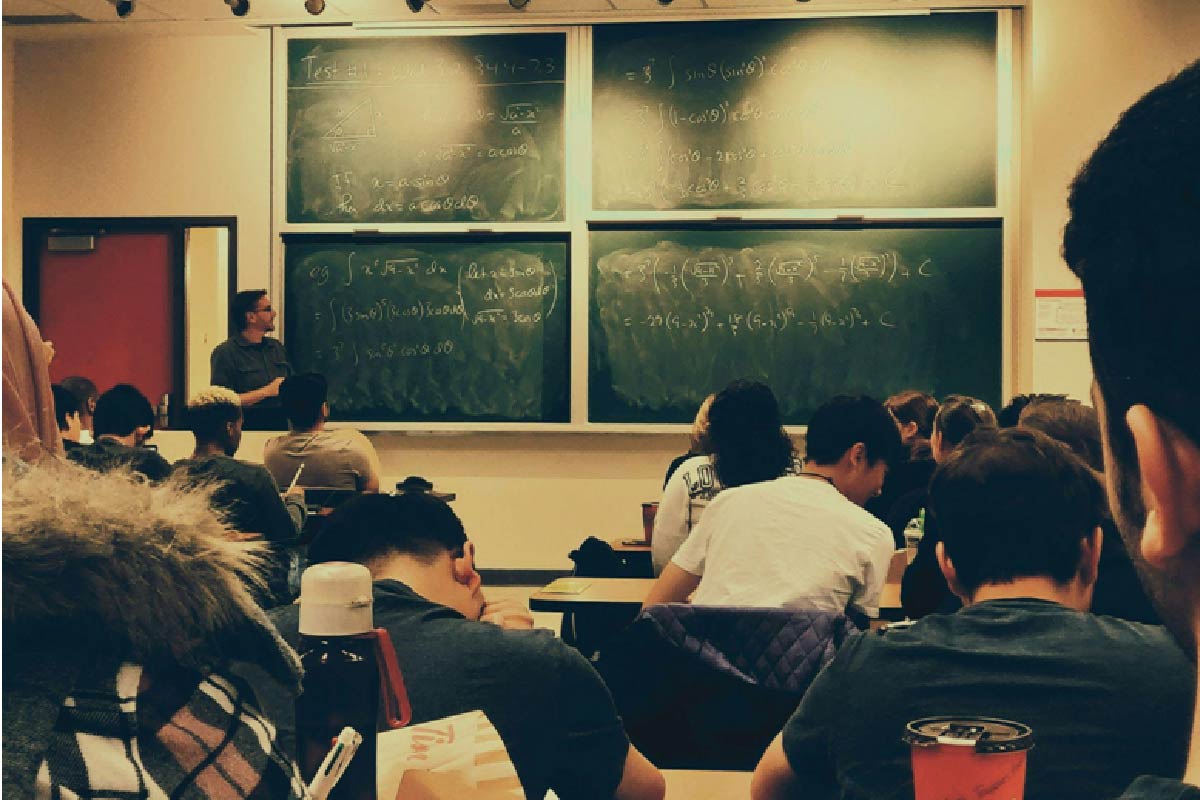
Support systems are most effective when students know about them before they desperately need them.
Universities often have tutoring programs, academic advisers, financial assistance, disability support, counseling services, and career resources, but students may discover them only after experiencing serious difficulties. Orientation programs can do more than briefly mention these services during the first week.
Regular reminders throughout the academic year can help normalize asking for support. Professors and academic advisers can also be trained to recognize common signs that a student may be struggling, such as repeated absences, suddenly missed assignments, or noticeable disengagement.
The goal should not be to turn faculty members into counselors. Instead, universities can make it easier for staff to direct students toward the appropriate resources before manageable problems become much larger ones.
Reduce the Pressure to Be Productive Every Minute
Campus culture can unintentionally reward exhaustion. Students sometimes compare how little they sleep, how many hours they study, or how many activities they can manage alongside their coursework.
Universities can challenge this mentality by treating rest and recovery as part of sustainable academic performance rather than the opposite of productivity. Workshops on sleep, nutrition, stress management, and realistic workload planning can help, but the message also needs to appear in everyday university culture.
Faculty members can contribute by avoiding unnecessary late-night deadlines and setting realistic expectations around email responses. Student organizations can schedule activities with academic demands in mind. Even small institutional choices can communicate that constant availability and chronic exhaustion are not requirements for success.
Give Students More Ways to Build Real Connections
Burnout is harder to manage when students feel isolated.
Large campuses can be surprisingly lonely, particularly for first-year students, international students, commuters, and anyone who does not immediately find a social group. Universities can help by creating more low-pressure ways for students to meet people outside traditional parties or competitive organizations.
Interest-based clubs, recreational sports, volunteering, peer mentoring, outdoor activities, and informal campus events can all create opportunities for connection. Smaller recurring events may be especially valuable because relationships often form through repeated casual contact rather than one major social occasion.
Connection also provides an informal support network. A student who knows classmates, teammates, neighbors, or club members has more people likely to notice when something is wrong.
Build a Campus Where Wellness Is Part of the System
Student burnout cannot be solved with a single wellness week, app, workshop, or new facility. Universities need to look at the full student experience and identify where unnecessary pressure is being created.
That means examining academic scheduling, financial stress, access to support, campus design, social connection, physical activity, rest, and the expectations communicated by staff and institutional culture.
The strongest approach is preventative. Instead of waiting until students are overwhelmed and then offering help, universities can build environments that make exhaustion less likely to reach that point.
Supporting students academically will always remain central to higher education. But helping them maintain the energy, stability, and sense of connection needed to participate in that education may be just as important.
