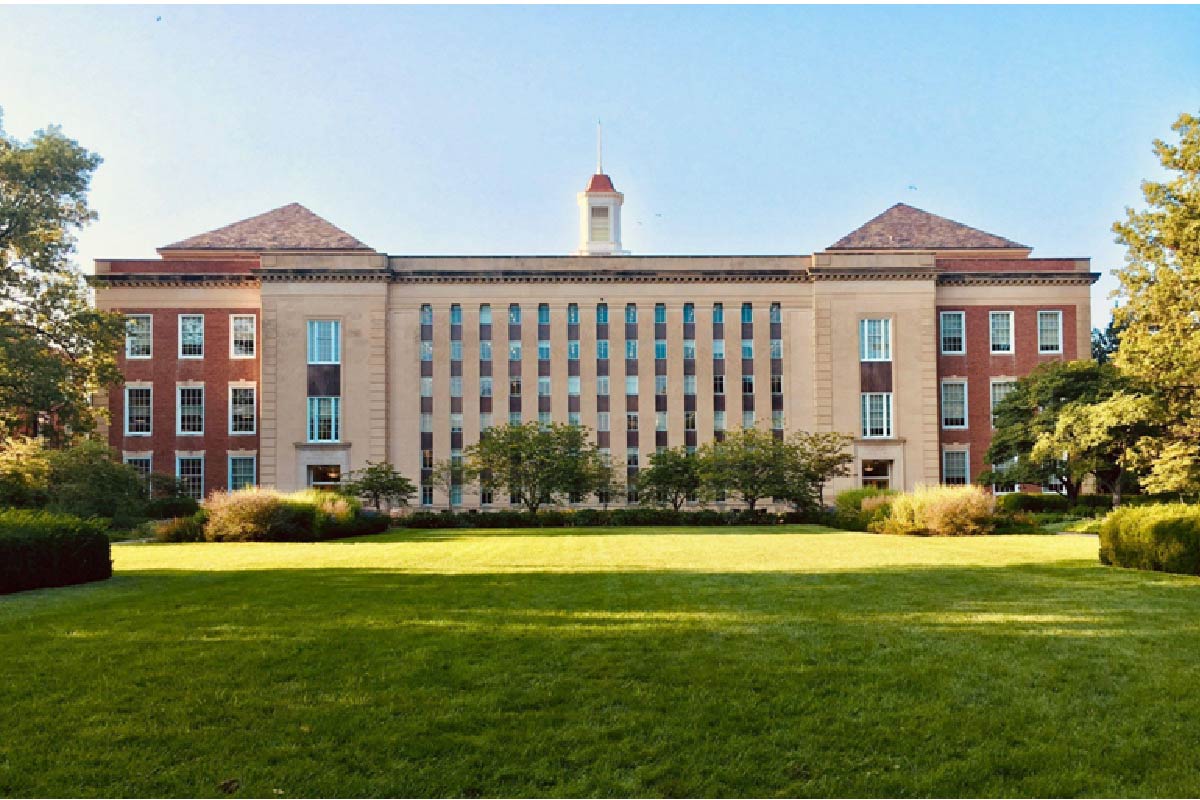
University campuses are evolving to meet the changing needs of students, faculty members, and visitors. Beyond providing classrooms and research facilities, modern universities must create environments that support safety, accessibility, sustainability, and efficient movement across increasingly complex spaces.
Large campuses often function like small cities, with residential buildings, libraries, sports facilities, medical centers, and administrative offices connected by extensive networks of roads and walkways. Managing these environments requires careful planning and investment in infrastructure that serves people with different needs.
Technology is playing an important role in this transformation, but successful campus development involves more than installing digital systems. Universities must consider how physical spaces, transportation services, security measures, and everyday operations work together.
By adopting practical improvements and prioritizing inclusive design, institutions can create welcoming campuses that support academic success while improving the daily experience of everyone who uses them.
Improving Campus Transportation and Everyday Mobility
Getting around a university campus can be challenging, particularly when buildings are spread across large areas. Students may need to travel between lectures within limited timeframes, while maintenance teams and administrative staff regularly move equipment and supplies.
Transportation planning becomes especially important for individuals with mobility limitations and visitors unfamiliar with campus layouts.
Electric utility vehicles can provide practical support for certain campus operations. Institutions exploring compact transportation options may consider models available through Backyard Escapism, which features 48-volt golf carts suitable for consideration in low-speed transportation applications.
Depending on vehicle specifications and local requirements, appropriately equipped carts may support maintenance activities, facilities operations, or designated campus transportation services.
Universities must also ensure that accessible transportation meets the needs of passengers using wheelchairs or other mobility aids.
Clearly marked routes, designated operating areas, and appropriate driver training help integrate smaller vehicles safely into environments shared with pedestrians and cyclists.
Designing Walkways That Prioritize Accessibility
Walkways form the foundation of campus mobility, yet their condition and design can significantly influence accessibility.
Uneven pavement, steep slopes, narrow passages, and poorly positioned obstacles can create difficulties for wheelchair users, individuals with visual impairments, and people carrying heavy equipment.
Universities can address these challenges through regular inspections and accessibility-focused infrastructure improvements.
Smooth pathways, appropriate ramps, tactile guidance surfaces, and clearly marked crossings help make campus movement more predictable.
Rest areas and accessible seating also benefit individuals who cannot comfortably walk long distances without breaks.
Inclusive design should extend beyond major academic buildings to outdoor recreational spaces, libraries, student accommodation, and transportation stops.
Campus accessibility is most effective when treated as a connected system rather than a collection of isolated improvements.
A thoughtfully designed pathway network allows more people to navigate university spaces independently and confidently.
Smart Lighting and Security Systems Improve Campus Safety
Campus safety depends on a combination of physical infrastructure, effective procedures, and community awareness.
Good outdoor lighting can improve visibility around walkways, parking areas, entrances, and frequently used public spaces.
Modern lighting systems may incorporate sensors and automated controls to adjust illumination according to activity and environmental conditions.
Security technologies can also support incident response when deployed responsibly.
Emergency communication stations, access management systems, and appropriately managed surveillance equipment provide universities with additional tools for monitoring and addressing potential problems.
However, security measures should respect privacy and avoid creating unnecessary barriers to ordinary campus activities.
Clear emergency procedures and communication channels remain essential because technology cannot replace well-trained personnel.
Students and employees should understand how to report concerns, request assistance, and receive reliable information during emergencies.
A safer campus emerges when infrastructure, staff training, and transparent procedures operate together.
Making University Buildings More Efficient and Sustainable
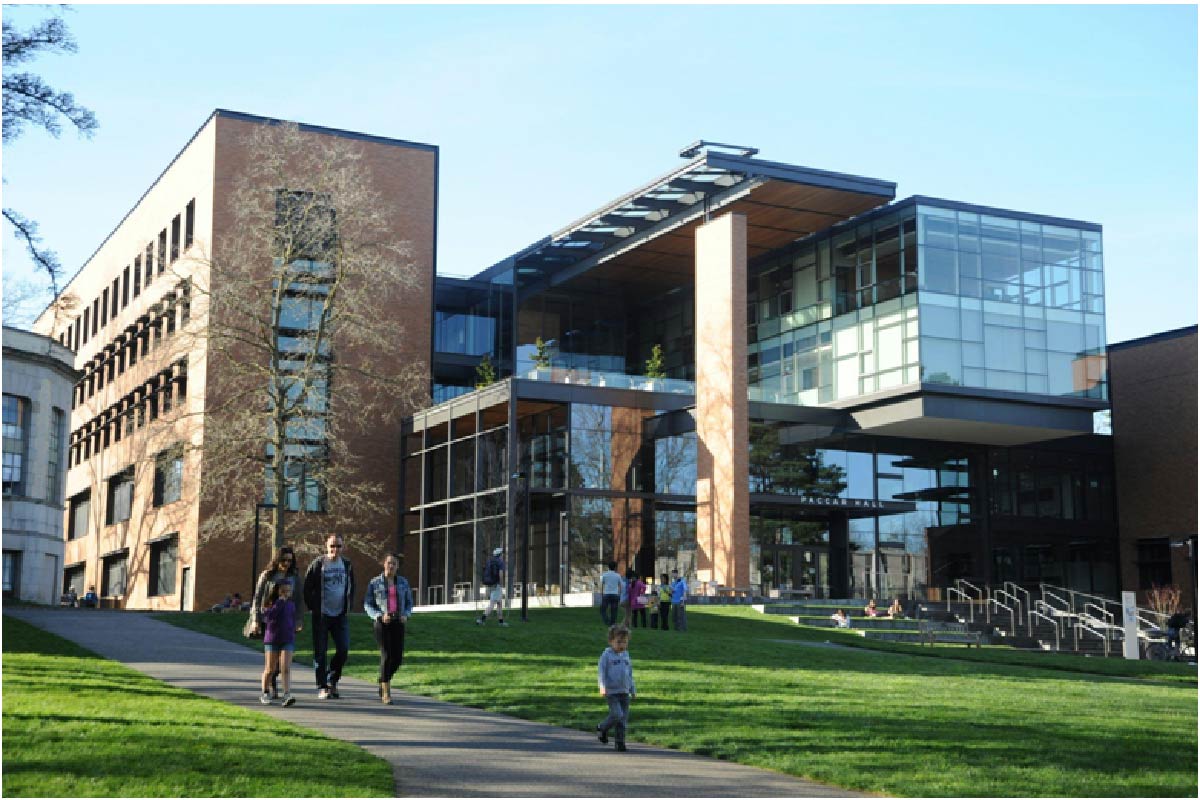
Universities often manage extensive building portfolios that include lecture halls, laboratories, libraries, and residential facilities.
Maintaining these properties can involve significant energy consumption and operational expenses.
Smart building technologies offer opportunities to improve efficiency through automated heating, ventilation, lighting, and environmental monitoring.
Occupancy-based controls can reduce unnecessary energy use in spaces that are temporarily unoccupied.
Regular maintenance also contributes to sustainability by helping equipment operate efficiently and extending the useful life of building systems.
However, efficiency improvements must support comfortable and healthy indoor environments.
Appropriate ventilation, reliable temperature control, and adequate lighting remain fundamental requirements for effective learning and research spaces.
Universities can also involve students in sustainability initiatives through campus projects and educational programs.
When environmental improvements become visible parts of everyday operations, campuses can serve as practical examples of responsible resource management.
Using Digital Technology to Simplify Campus Life
Digital services are becoming increasingly important in helping students navigate university systems and access essential information.
Mobile applications and online platforms can provide building directories, transportation updates, event schedules, and administrative services.
Interactive campus maps are particularly useful for new students and visitors who may struggle to locate unfamiliar facilities.
Real-time information can also improve transportation coordination by helping passengers understand service availability and route changes.
However, digital solutions should complement rather than replace accessible physical information.
Not everyone uses the same devices or has continuous internet access, making clear signage and alternative communication methods essential.
Universities should also consider data security and privacy when introducing connected services.
The most effective technology reduces everyday difficulties without creating new barriers for people who prefer or require traditional assistance.
Creating Inclusive Outdoor Spaces for Campus Communities
University life extends beyond classrooms and academic buildings. Outdoor areas provide opportunities for relaxation, informal learning, social interaction, and community events.
Accessible gardens, shaded seating areas, and pedestrian-friendly courtyards can make campuses more welcoming.
These spaces are especially valuable when designed to accommodate individuals with different physical abilities and sensory preferences.
Universities may incorporate quiet areas for reflection alongside more active recreational spaces.
Landscape design also contributes to environmental goals through appropriate planting, rainwater management, and reduced heat exposure.
Regular maintenance ensures that outdoor facilities remain comfortable and usable throughout the academic year.
Campus planners should consider feedback from students, employees, and visitors when evaluating improvements.
Inclusive outdoor environments encourage participation and help create a stronger sense of belonging within university communities.
Building Campuses That Can Adapt to Future Needs
Universities must continually respond to changes in enrollment, technology, transportation, and expectations surrounding accessibility.
Infrastructure decisions should therefore consider long-term flexibility rather than addressing only immediate operational problems.
Modular facilities, adaptable learning spaces, and transportation systems that can accommodate changing demand may help institutions manage future developments.
Regular assessments can reveal areas where accessibility, safety, or efficiency requires additional attention.
Collaboration between administrators, facilities teams, students, and accessibility specialists is particularly important.
People who use campus environments every day can identify practical challenges that may be overlooked during formal planning.
Universities should also establish clear priorities so improvements deliver meaningful benefits without creating unnecessary financial pressure.
Ultimately, a successful modern campus combines dependable infrastructure with thoughtful design and practical technology.
By improving mobility, supporting inclusive access, strengthening security, and managing resources responsibly, universities can create environments where students and staff feel comfortable, connected, and supported.
The future of campus development lies not simply in becoming more technologically advanced, but in making university spaces safer, smarter, and genuinely accessible to everyone.
