When schools think about improving learning environments, attention often goes straight to technology, furniture or curriculum resources. Those things matter, but students experience a school as a complete physical environment, not simply as a collection of classrooms.
Light, noise, materials, wall displays, movement between spaces and even the condition of corridors can influence how welcoming and functional a building feels. Small design choices can make it easier for students to concentrate, collaborate and feel connected to the place where they spend much of their day.
The most effective improvements are not always the most expensive. Schools can often make meaningful changes by thinking more carefully about durability, comfort and how spaces are actually used. A better learning environment comes from balancing practical needs with visual interest and giving students surroundings that feel cared for rather than purely institutional.
Material Choices Affect More Than Appearance
Schools need surfaces that can handle heavy daily use, but durability does not have to mean choosing materials that feel cold or overly industrial.
Wood can add warmth to libraries, common areas, entrances and other shared spaces while still serving a practical purpose. Materials such as thermally modified wood can be considered in projects where schools want natural-looking finishes with improved stability and durability.
The wider lesson is that materials influence the atmosphere.
A corridor lined entirely with hard, plain surfaces may feel functional but impersonal. Introducing warmer textures can help shared spaces feel more considered and less temporary.
Maintenance still needs to come first. Materials should suit the level of wear, cleaning requirements and specific location rather than being chosen only because they look attractive in photographs.
Give Student Creativity a Visible Place
Walls are often treated as leftover space rather than part of the learning environment.
Used well, they can show students that their work has value. Displays of art, writing, projects and collaborative activities can give classrooms and corridors much more personality. Teachers planning visual art activities can use ideas and project resources from Painted Paper to create work that is strong enough to become part of the classroom display once the lesson is finished.
Displays work best when they change regularly.
If the same material remains on the wall for years, students eventually stop noticing it. Rotating work according to current topics, seasons or projects keeps the environment connected to what is actually happening in the classroom.
This also gives more students the chance to see their work represented.
Noise Is Often Ignored Until It Becomes a Problem
A classroom can look excellent and still be difficult to learn in if sound carries too easily.
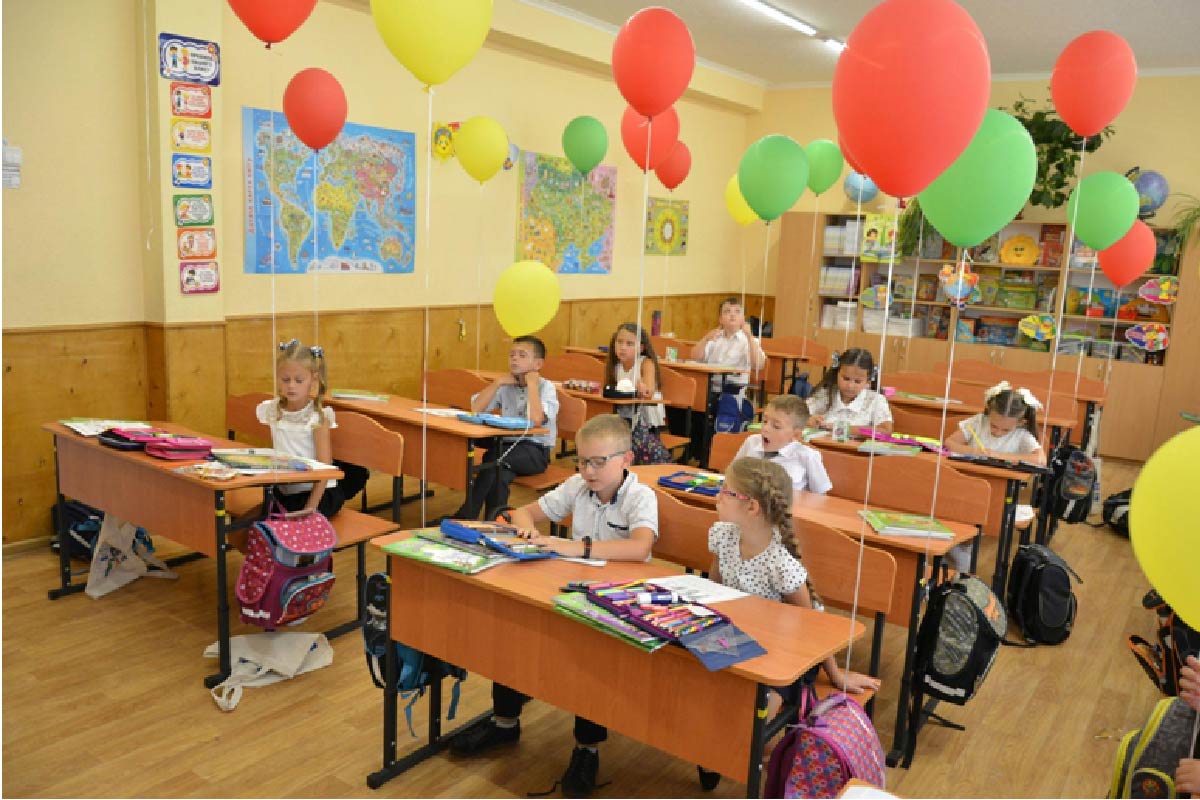
Hard floors, bare walls and high ceilings can increase echo, making group work and discussion more tiring than necessary. Noise from corridors or nearby rooms can create additional distractions.
Schools can improve this without completely rebuilding a space.
Soft noticeboards, acoustic panels, curtains where appropriate and carefully chosen furniture can help reduce sound reflection. Even layout changes may make a difference by separating quieter activities from noisier collaborative areas.
The goal is not silence.
Students need opportunities to discuss, ask questions and work together. The important thing is creating spaces where sound remains manageable rather than overwhelming.
Lighting Should Match the Activity
One type of lighting rarely works perfectly for every school activity.
Bright, even light is useful for writing, reading and detailed practical work. Softer areas may be more appropriate for independent reading, conversation or calm activities.
Natural light should be used where possible, but glare can be just as disruptive as darkness. Blinds or adjustable shading can help classrooms respond to different times of day.
Schools should also look at where screens are positioned.
A projector or interactive display that is constantly affected by sunlight can create unnecessary frustration for both teachers and students.
Small adjustments to lighting can improve how a room works without changing the teaching itself.
Movement Through the School Matters Too
Learning environments extend beyond classroom doors.
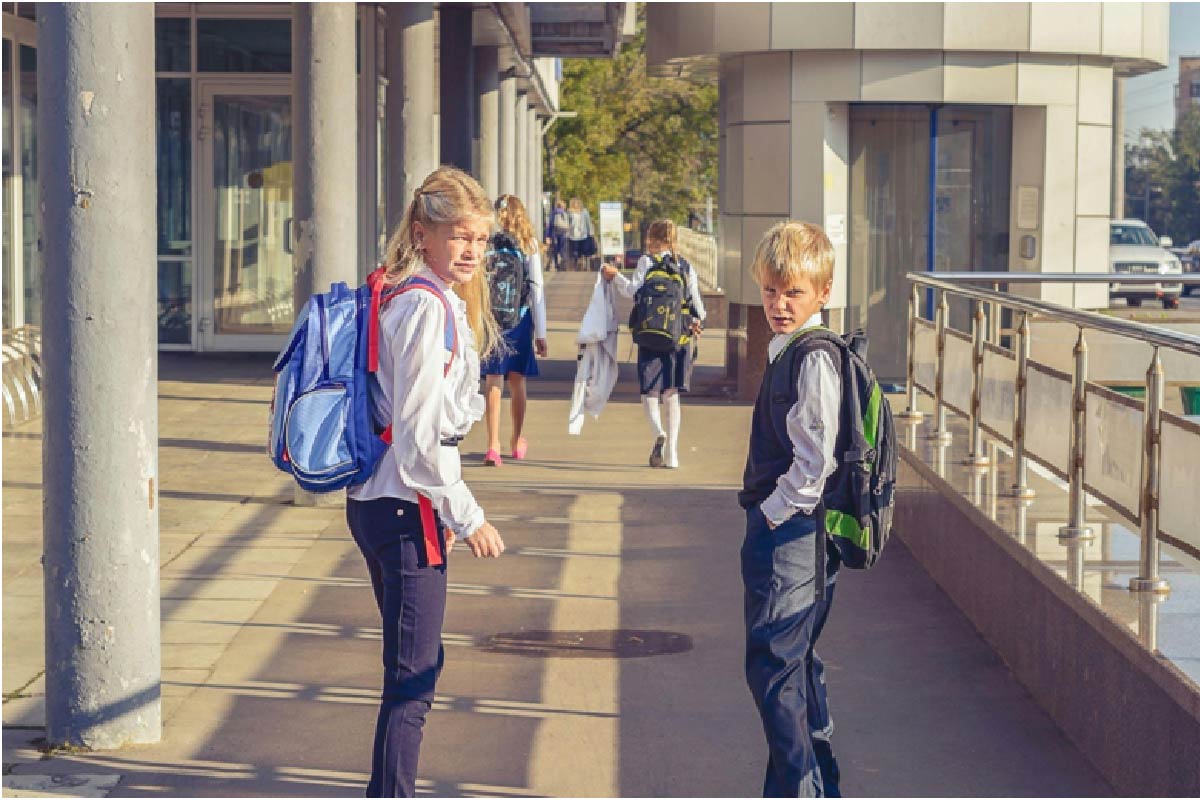
Students spend significant parts of the day moving through corridors, entering buildings, waiting outside rooms and using shared areas.
If these spaces are crowded or poorly organised, the school day can feel unnecessarily stressful.
Clear routes, sensible storage and enough space around entrances can make transitions smoother. Bags, coats and equipment need designated places so they do not gradually take over walkways.
Shared spaces can also serve more than one purpose.
A wide corridor might include a small reading or display area, while an underused corner could provide seating for individual work or conversation.
Thinking about movement helps schools make better use of space they already have.
Students Need Both Social and Quiet Spaces
Schools naturally focus on classrooms, but students also need places that support different types of downtime.
Some thrive in busy social environments, while others occasionally need a quieter place to reset between lessons.
Libraries, smaller seating areas or calm corners can provide alternatives to noisy common spaces.
These areas do not have to be large. Even a few well-positioned seats can offer students somewhere to read, work independently or take a break from crowded surroundings.
Providing different environments also recognises that students do not all recharge in the same way.
A better school design gives them some choice.
Improving a learning environment therefore requires looking beyond desks and devices.
Durable materials, student work, manageable acoustics, suitable lighting and thoughtfully used shared spaces all contribute to how a school feels and functions.
Students notice when their surroundings have been considered carefully. A building that feels welcoming, organised and connected to their work can reinforce the idea that learning is important.
The strongest environments are not necessarily the newest. They are the ones designed around the real needs of the people using them every day.
