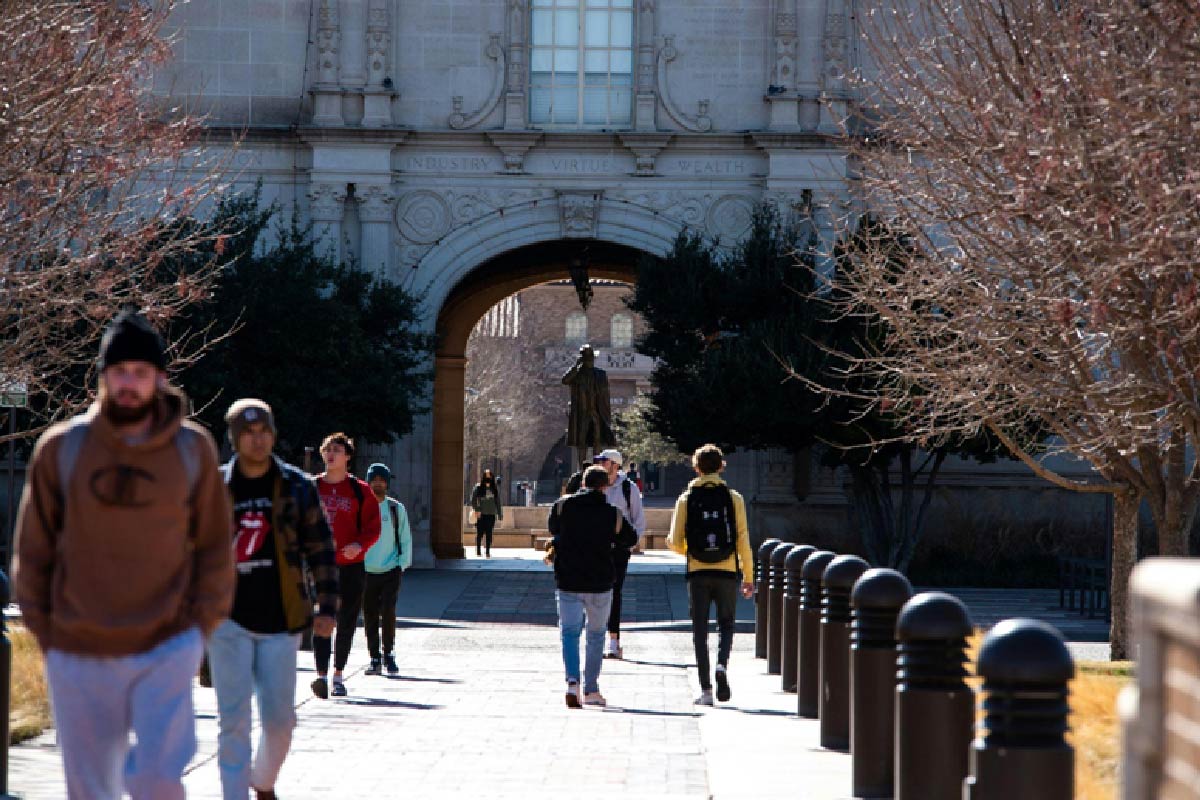
A campus can look impressive without being particularly useful. Modern buildings, landscaped areas and stylish common spaces may photograph well, but students judge them by a much simpler standard: do these places actually make everyday academic life easier?
Useful campus design supports studying, socialising, moving between classes and taking breaks without forcing students to search constantly for somewhere suitable. It also recognises that people use the same environment differently throughout the day.
A good campus therefore needs more than classrooms and lecture halls. Quiet zones, flexible seating, outdoor areas, reliable Wi-Fi and comfortable places to spend time between lessons all contribute to how well the space works.
The strongest campuses are not necessarily the largest. They are the ones where students can easily find the kind of environment they need at that particular moment.
Outdoor Areas Need a Clear Purpose
Green space is valuable, but simply having grass and benches does not automatically create a useful outdoor area.
Students are more likely to spend time outside when there is enough seating, some protection from weather and a reason to stay. Covered tables, sheltered courtyards and well-designed gathering areas can support studying, eating and informal conversation throughout more of the year.
In colder settings, schools may also explore ways to make outdoor social zones more comfortable, and resources such as https://thegreatfirecompany.com/ can illustrate how fire features and heat-focused outdoor design are used to make shared spaces feel more inviting.
The broader principle is simple: outdoor space should function as part of campus life rather than decoration around it.
Students Need Both Quiet and Social Spaces
Not every student works well in the same environment.
Libraries and silent study rooms are important, but so are areas where students can discuss assignments, work in groups or simply spend time together between classes.
Problems appear when those functions are mixed badly.
A social area placed directly beside a silent study zone creates frustration for everyone. Good campus planning separates different types of activity without making students travel across the entire site to find what they need.
Flexible furniture can help too. Tables that support both individual work and small groups are usually more useful than fixed layouts designed for only one purpose.
Variety matters more than creating one supposedly perfect study environment.
Seating Should Match How Students Actually Work
Campus seating often looks better than it feels.
Stylish chairs may work for a short conversation but become uncomfortable during an hour of reading or laptop work. Students also need enough table space for devices, books and notebooks.
Power access is now equally important.
A seating area without nearby charging points can become almost unusable during a long day, particularly for students moving between several classes.
Good design starts with observation. Where do students naturally stop? Which tables fill first? Where are people sitting on floors because there are not enough practical alternatives?
Those patterns often reveal more than a formal design plan.
Useful seating should respond to real behaviour rather than expecting students to adapt to the furniture.
Food and Break Areas Need to Be Convenient
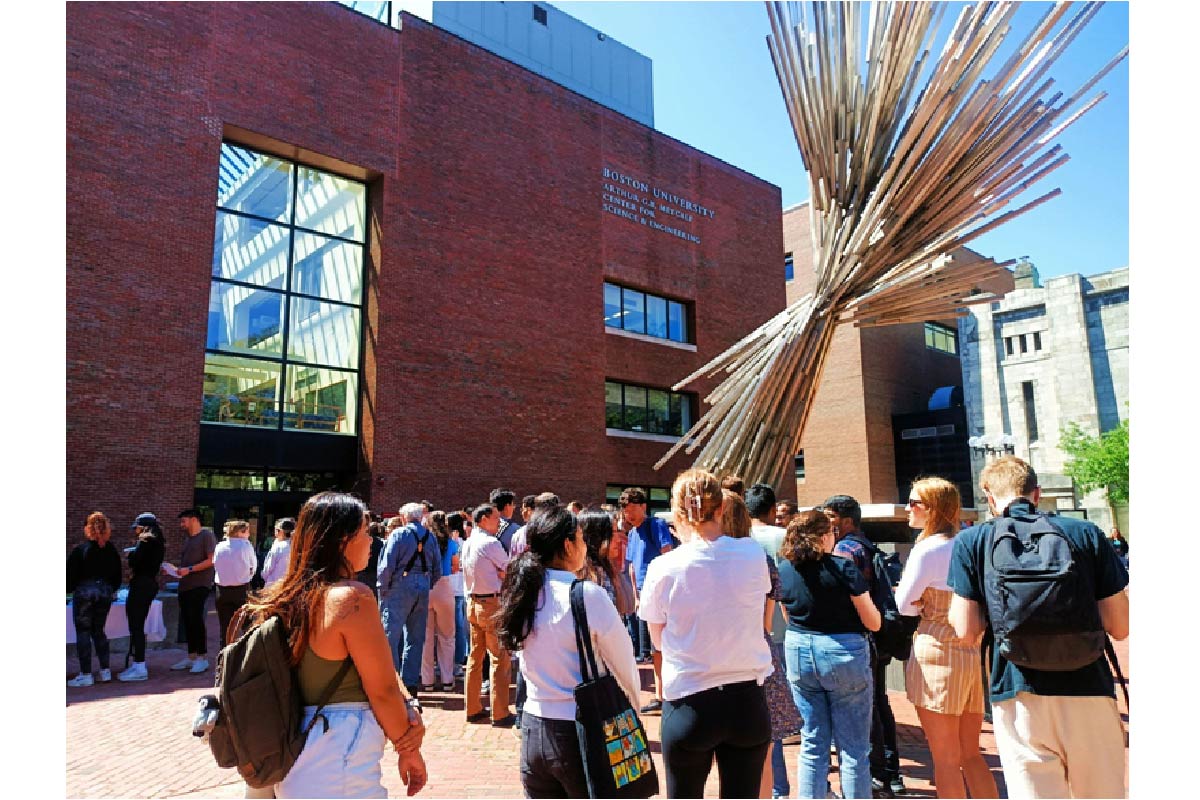
A campus day often includes long gaps between classes, and students need somewhere comfortable to spend that time.
Food areas should be easy to reach without becoming overcrowded at peak times. Microwaves, water refill points and enough seating can matter just as much as cafés or dining halls.
Students who bring food from home need practical facilities too.
A campus designed only around buying meals can make everyday life more expensive and less convenient.
Break areas should also feel different from academic spaces. Students need somewhere they can eat, talk and mentally step away from coursework without worrying that they are disturbing people trying to study.
That distinction makes the entire campus easier to use.
Movement Through the Campus Should Feel Simple
Good spaces lose value if reaching them is confusing or inconvenient.
Clear signage, direct walking routes and logical building entrances reduce unnecessary friction during the day. This becomes especially important for new students who do not yet understand how the campus fits together.
Accessibility should be part of the same thinking.
Routes between classrooms, libraries, food areas and student services need to work for people with different mobility requirements, not simply provide an alternative entrance somewhere out of sight.
Weather also matters. Covered walkways or sheltered connections can make a major difference on campuses where rain, snow or extreme heat are common.
The easier it is to move through the campus, the more useful every other facility becomes.
Shared Spaces Help Build Community
Students do not form connections only inside classrooms.
Much of campus life happens in the spaces between formal activities: waiting before lectures, eating lunch, studying together or talking after an event.
Well-designed shared areas create more opportunities for those interactions.
This is particularly important for first-year students and commuters, who may have fewer natural ways to meet people.
A comfortable common space gives them somewhere to remain on campus instead of leaving immediately after class.
That can strengthen participation in clubs, events and informal study groups.
Community is difficult to create through programming alone. Physical spaces need to support it.
Useful Campuses Adapt to Different Parts of the Day
The campus changes from morning to evening.
Spaces that work well between classes may need better lighting later in the day. Outdoor areas may require shade at lunchtime but shelter or warmth in the evening. Study areas that are quiet in the morning can become crowded during exam periods.
Good campus design anticipates that variation.
It does not treat every room or courtyard as having one fixed purpose.
The most useful spaces are often the ones that can adapt without requiring major changes. Flexible seating, reliable lighting, accessible power and thoughtful outdoor planning allow the same area to support several different needs.
That is what makes a campus genuinely useful.
The goal is not simply to create impressive facilities. It is to create places students naturally choose because those spaces make studying, resting and connecting with others easier.
