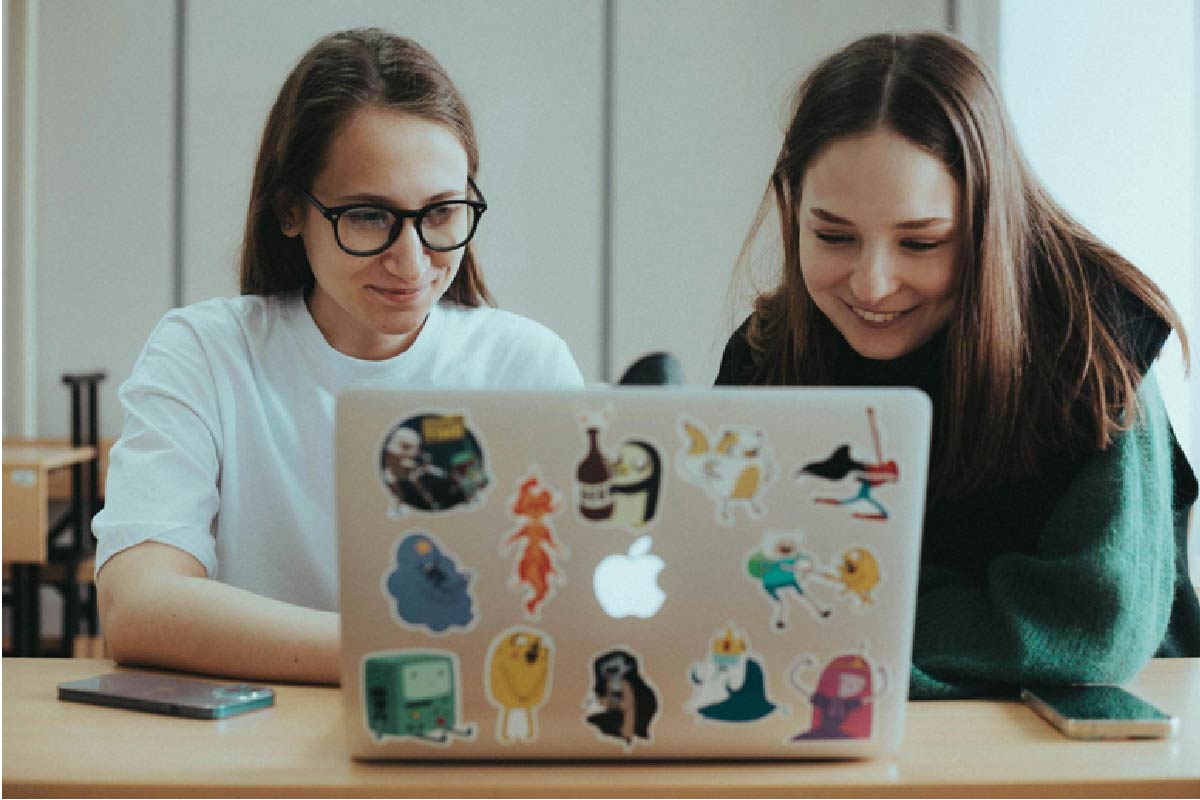
Students are often told that learning happens in classrooms, through textbooks and during formal study. In reality, many of the skills they use later in life are also developed through hobbies that seem completely unrelated to school.
Collecting, gaming, photography, sport, music and creative projects can all teach patience, organisation, problem-solving and persistence. The lessons are not always obvious because they are learned while doing something enjoyable rather than completing an assignment.
That is what makes hobbies so valuable. They give students room to experiment without the pressure of grades and allow useful skills to develop gradually. A hobby does not need to look educational on the surface to have a meaningful effect on how someone learns, thinks or approaches challenges.
Collecting Can Build Research and Organisation Skills
Collecting is a good example of a hobby that can teach more than people expect. A student who becomes interested in coins, cards, books or memorabilia quickly learns that keeping a collection organised requires attention to detail, categorisation and some level of research.
Someone exploring Simplified Chinese Pokémon cards, for example, may begin by noticing different sets, artwork or editions, but that interest can naturally lead to questions about language, regional releases and how the same hobby develops across different markets.
The learning happens because curiosity creates a reason to investigate. Students are not memorising information because they have to; they are doing it because the subject genuinely interests them.
Creative Hobbies Teach Patience With Imperfect Results
Drawing, photography, writing and music all have one thing in common: improvement is visible, but it is rarely immediate.
Students learn quickly that the first attempt is often not the best one.
A drawing may need to be started again, a photograph may not capture the intended effect and a piece of music may take repeated practice before it sounds right. That process teaches something school assignments sometimes struggle to communicate clearly: making mistakes is part of getting better.
Creative hobbies also encourage personal judgement.
There is not always one correct answer. Students have to decide what they like, what feels finished and what needs more work.
That independence can strengthen confidence and make them more comfortable solving problems without waiting for exact instructions.
Games Can Develop Strategic Thinking
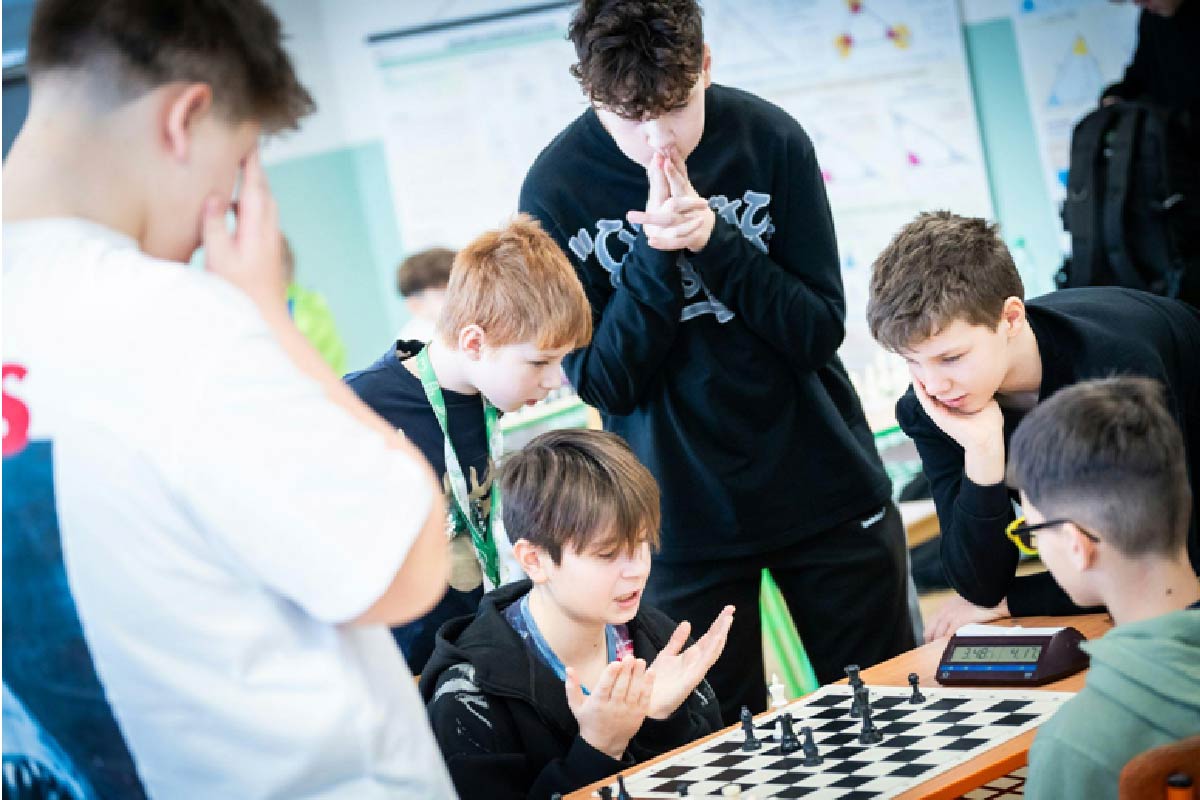
Many games require far more than quick reactions.
Board games, card games, puzzles and strategy-based video games often ask players to plan several moves ahead, recognise patterns and adapt when circumstances change.
Those skills transfer surprisingly well to academic work.
A student who is used to analysing different possibilities in a game may find it easier to break down a difficult problem, consider alternative solutions or stay patient when the first approach does not work.
Games also provide immediate feedback.
A poor decision has a visible consequence, and the player gets another opportunity to adjust. That cycle of decision, result and correction is a powerful way to learn.
When competition remains healthy, games can also teach students how to handle both winning and losing without treating either outcome as permanent.
Sports Teach More Than Physical Skills
Sport is usually associated with fitness, but its educational value extends much further.
Regular training teaches time management because students have to balance practice with school and other responsibilities. Team sports add communication and cooperation, while individual sports often develop self-discipline and personal accountability.
Progress is also easy to observe.
A student may run faster, improve technique or become more confident in competition after weeks of practice. That creates a direct connection between consistent effort and measurable improvement.
Sport can also teach students how to respond to setbacks.
Missing a shot, losing a match or performing below expectations requires emotional adjustment as well as physical recovery. Learning to continue after disappointment is a skill that matters far beyond sport.
Practical Hobbies Build Confidence Through Doing
Cooking, gardening, repairing things or building simple projects provide a different kind of learning because the results are tangible.
Students can see immediately whether something worked.
A recipe either comes together or needs adjustment. A plant grows or reveals that something about its conditions needs to change. A small repair either solves the problem or requires another attempt.
These hobbies encourage practical problem-solving and often make abstract concepts easier to understand. Measurement, timing, planning and cause-and-effect all become part of the activity without feeling like formal lessons.
They also create independence.
Knowing how to prepare food, maintain something or solve a small household problem can make students feel more capable in everyday life.
That confidence often grows precisely because the skill was learned through action rather than instruction alone.
Hobbies Can Help Students Discover What They Care About
Perhaps the most important thing hobbies offer is the chance to explore interests without immediately turning them into careers or qualifications.
A student who enjoys photography may discover an interest in design. Someone who collects objects may become fascinated by history, languages or business. A gaming hobby may lead toward programming, storytelling or digital art.
Not every interest has to become professionally useful.
The value is in giving students space to discover what holds their attention and what kind of work they enjoy doing voluntarily.
That knowledge can be useful later when choosing courses, projects or careers because students have already learned something about their own motivation.
Hobbies may look like free time from the outside, but they often contain some of the most personal and durable forms of learning. They teach through repetition, curiosity and experimentation, which is exactly why students can gain so much from them without always realising it.
