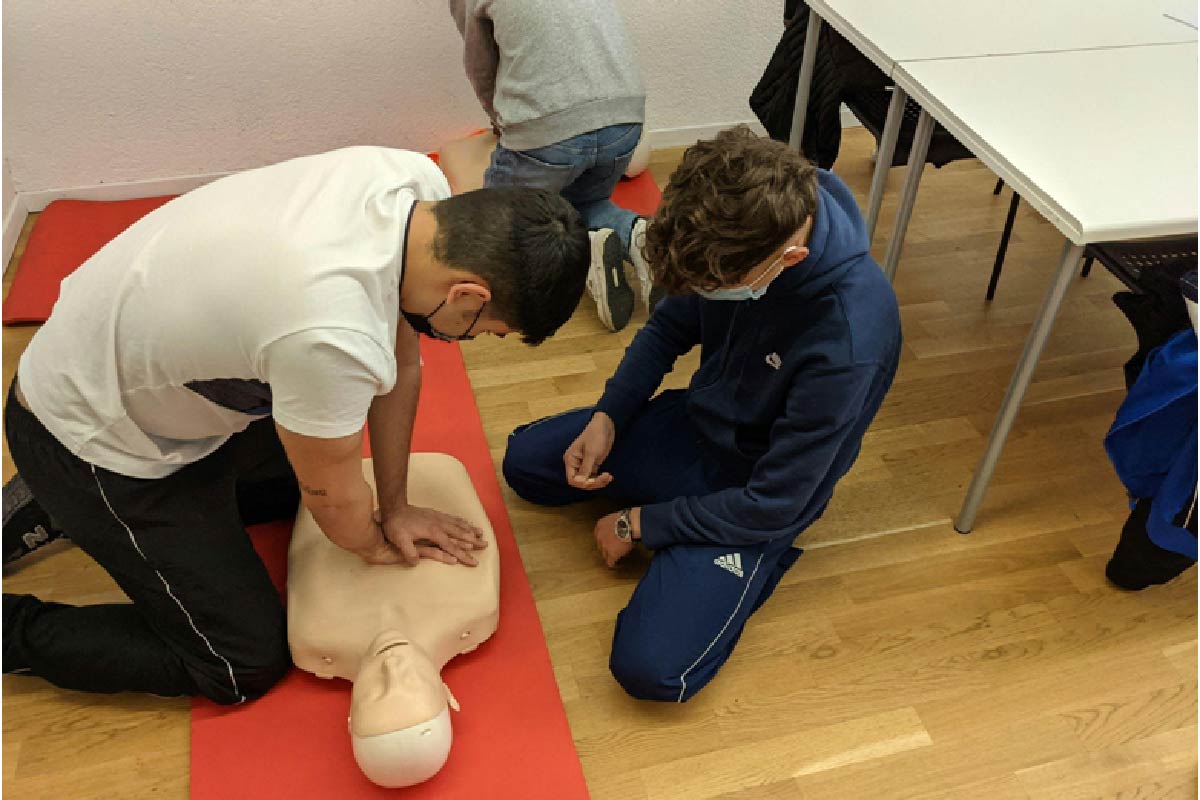
Education has traditionally focused on academic achievement, examinations, and the development of subject-specific knowledge. While these elements remain essential, preparing students for life beyond the classroom requires a broader approach. Young people also need opportunities to develop practical abilities, solve unfamiliar problems, and understand how their learning connects with real-world situations.
Employers increasingly value communication, adaptability, teamwork, and independent thinking alongside formal qualifications. These abilities can be difficult to develop through textbooks alone, making practical experiences an important part of modern education.
Schools, colleges, and universities can support this development through collaborative projects, industry partnerships, creative activities, and opportunities to interact with local businesses. By connecting academic learning with everyday challenges, educational institutions can help students approach their future careers and responsibilities with greater confidence.
Traditional Craftsmanship Offers Valuable Lessons in Modern Business
Practical education becomes particularly meaningful when students examine how established industries combine technical knowledge, cultural heritage, and contemporary business practices.
Traditional craftsmanship provides an interesting starting point because it demonstrates that valuable professional skills aren’t limited to digital industries or emerging technologies.
For example, Irish knitwear retailer https://www.aran.com/ showcases traditional Aran sweaters and other wool garments associated with Ireland’s knitting heritage. The business illustrates how distinctive craftsmanship can remain commercially relevant through product development, online retail, and an identity connected to cultural traditions.
Students studying business, fashion, design, or marketing can explore several important concepts through this example.
Traditional knitting techniques demonstrate the value of specialized knowledge, while online product presentation shows how established products can reach international audiences.
The relationship between craftsmanship and commercial activity also raises useful questions about quality, pricing, customer expectations, and brand identity.
An educational project might ask students to research the production process behind a traditional garment before developing a marketing proposal for a contemporary audience.
Such activities encourage students to connect historical knowledge with practical business considerations.
They also demonstrate that innovation doesn’t always involve replacing established practices. Sometimes it means finding new ways to preserve and apply existing expertise.
Problem-Solving Skills Develop Through Practical Challenges
One of the most useful abilities students can develop is the capacity to approach unfamiliar problems logically.
Traditional classroom exercises often provide clearly defined questions with expected answers. Real-world challenges, however, may involve incomplete information, competing priorities, and several possible solutions.
Project-based learning introduces students to these complexities in a manageable environment.
For example, a group might be asked to develop a proposal for reducing waste at school, improving a community facility, or organizing a fundraising event.
Completing the project requires students to identify the problem, gather information, consider alternatives, and evaluate potential outcomes.
Teachers can guide the process while allowing students sufficient independence to make decisions.
Mistakes become opportunities for reflection rather than simply reasons for lower grades.
Through repeated experiences, students can become more comfortable adapting their approaches when initial ideas don’t work as expected.
Communication and Teamwork Prepare Students for Professional Environments
Technical knowledge alone rarely guarantees success in the workplace. Employees must also communicate clearly, cooperate with colleagues, and manage disagreements constructively.
Educational institutions can introduce these expectations through collaborative assignments and practical activities.
Group presentations help students organize information and explain ideas to an audience.
Team projects require participants to divide responsibilities, coordinate schedules, and complete work within agreed deadlines.
However, effective collaboration involves more than assigning several students to the same task.
Teachers should establish clear expectations and encourage individual accountability so that responsibilities are distributed fairly.
Students can also benefit from learning how to provide constructive feedback, participate in meetings, and respond professionally to criticism.
These experiences are relevant across industries, from healthcare and education to engineering and business.
The ability to collaborate respectfully remains valuable even as workplace technology continues changing.
Digital Literacy Is Essential Across Career Paths

Digital technology now influences almost every professional field.
Students preparing for employment need more than basic familiarity with smartphones and social media. They should understand how to evaluate information, use productivity software, protect personal data, and communicate appropriately through digital platforms.
Practical assignments can introduce these skills through realistic activities.
Students might create a spreadsheet to manage a project budget, develop a presentation for a fictional business, or assess the reliability of competing online sources.
Digital literacy should also include awareness of cybersecurity and responsible data management.
Artificial intelligence introduces additional considerations. Students benefit from understanding how AI tools can support research and productivity while recognizing their limitations, including factual errors and potential bias.
Learning to question automatically generated information is becoming an increasingly important skill.
Educational programs that combine digital competence with critical thinking can help students adapt to technologies that may continue evolving throughout their careers.
Work Experience Connects Education With Career Expectations
Internships, workplace visits, and structured work-experience programs provide opportunities for students to observe professional environments directly.
These experiences can reveal responsibilities that aren’t always apparent from career descriptions.
A student interested in engineering might discover how technical teams communicate with customers, while someone considering healthcare may learn about administrative responsibilities alongside clinical work.
Work experience can also help students recognize which professional environments suit their interests and personalities.
Schools and colleges can strengthen these programs by establishing partnerships with local employers and community organizations.
Clear learning objectives are important so that placements provide meaningful educational value rather than merely introducing students to routine tasks.
Reflection activities can help participants connect workplace observations with academic knowledge.
Even short placements may provide useful insights when they include opportunities to ask questions and understand how different roles contribute to an organization.
Financial Literacy Builds Confidence in Everyday Decisions
Practical preparation should extend beyond future employment.
Students also need the knowledge required to manage personal finances and make responsible decisions as independent adults.
Budgeting, saving, understanding interest, and comparing financial products are important skills that can influence long-term well-being.
Classroom activities can make these concepts more accessible through realistic scenarios.
Students might develop a monthly budget based on an entry-level salary, compare the total cost of different payment options, or calculate how regular savings accumulate over time.
These activities encourage mathematical reasoning while demonstrating its relevance to everyday life.
Financial education should also explain the risks associated with borrowing and misleading promotional offers.
By developing these skills before entering full-time employment, young adults may feel better prepared for common financial responsibilities.
Entrepreneurship Encourages Initiative and Creative Thinking
Entrepreneurial education isn’t valuable only for students who intend to start businesses.
Developing an idea, researching an audience, estimating costs, and presenting a proposal can strengthen skills useful in many professional settings.
Schools can introduce entrepreneurship through small-scale projects such as student markets, community campaigns, or simulated business competitions.
Participants learn to consider customer needs, organize resources, and evaluate whether their ideas are practical.
They also gain experience responding to unexpected challenges.
For example, a student team developing a product may discover that its original materials are too expensive or that customers prefer a different design.
Revising the proposal encourages adaptability and evidence-based decision-making.
These lessons help students understand that successful innovation often requires testing assumptions and improving ideas rather than relying on initial enthusiasm.
Creating an Education That Connects Knowledge With Opportunity
Preparing students for the future requires a balance between academic knowledge and practical experience.
Classroom learning provides essential foundations, while real-world activities demonstrate how those foundations can be applied.
Traditional craftsmanship, collaborative projects, digital literacy, workplace experience, and financial education all offer different opportunities for students to develop useful abilities.
Educational institutions don’t need to replace established subjects to achieve this balance. Instead, they can introduce practical elements that reinforce existing learning objectives.
The most effective approaches give students opportunities to explore unfamiliar challenges, reflect on their progress, and develop confidence through meaningful participation.
Ultimately, education should prepare young people not only to pass examinations but also to make informed decisions, contribute to their communities, and navigate changing professional environments.
By connecting knowledge with practical application, schools and universities can help students build skills that remain valuable long after graduation.
